Dr. K. Athirath Reddy, Vascular Surgery

Terms

Terms and conditions

These terms cover use of this website. They do not replace a consultation or a confirmed clinic appointment.

The pages on this website explain vascular conditions and the services offered by Dr. K. Athirath Reddy. Reading them does not create a doctor–patient relationship and does not confirm an appointment.

An online enquiry, phone call, or WhatsApp message is a request for contact. An appointment exists only when the clinic agrees a date and time.

Medical limits of the information on this site are set out in the medical disclaimer. How enquiry details and advertising cookies are handled is set out in the privacy policy.

Email address

Questions about these terms can be sent to athirathreddy@gmail.com.

Google ads

This website may display advertisements served by Google. Those ads are placed by Google and its partners. They are not written by the clinic, they are not medical advice, and a click on an ad is not an appointment with Dr. K. Athirath Reddy.
Patient education

Health information

General articles for patients and families. They are not the doctor’s journal papers.

Questions

Frequently asked questions

Short answers about vascular consultation, the clinic, and urgent symptoms.

What does a vascular surgeon treat?

A vascular surgeon assesses and treats diseases of the arteries and veins, other than the heart itself and the vessels inside the brain. This includes varicose veins, peripheral arterial disease, aneurysms, deep vein thrombosis, dialysis access problems, vascular injury, and many complications of poor circulation, including diabetic foot disease.

When should I consult a vascular surgeon?

Arrange a consultation for leg pain on walking, varicose veins with aching or skin change, a foot or leg wound that is not healing, new leg swelling, or a known circulation problem. Sudden severe limb pain, a cold pale limb, heavy bleeding, chest pain, or sudden breathlessness needs emergency care, not a routine clinic visit.

What are the common symptoms of varicose veins?

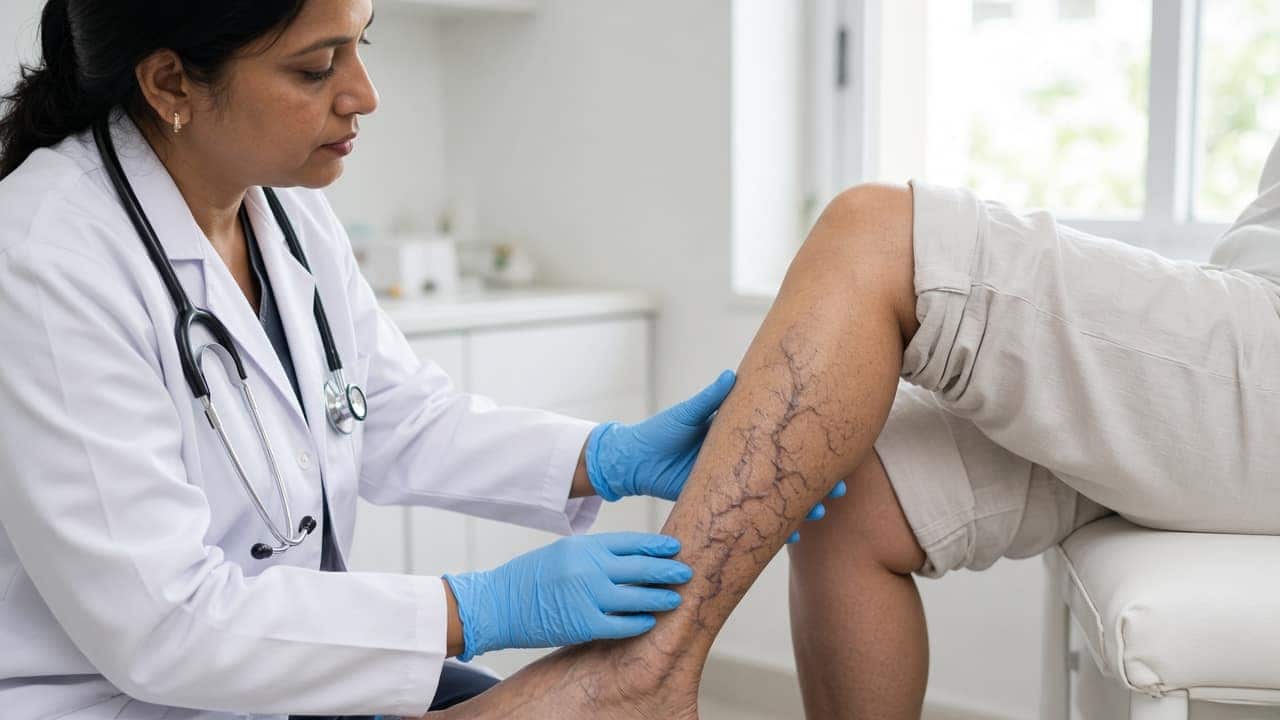
Common symptoms are twisted visible veins, aching, heaviness, itching, ankle swelling, and cramps. Some people have few symptoms. Skin darkening, hard patches of skin, bleeding from a vein, or an ulcer near the ankle should be assessed.

What are the warning signs of poor blood circulation in the legs?

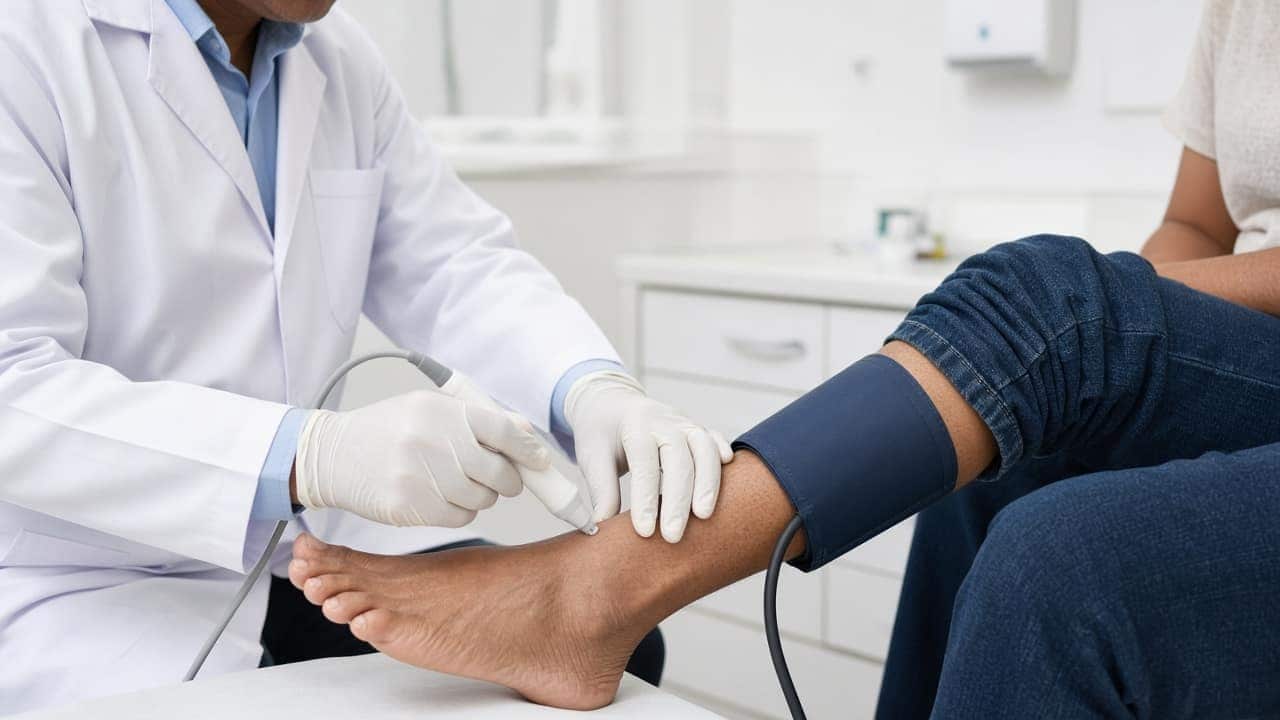
Warning signs include calf or thigh pain on walking that eases with rest, cold feet, pale or shiny skin, and wounds that heal slowly. Pain in the foot at rest, or a toe that becomes blue or black, needs prompt medical assessment.

When should a diabetic foot ulcer be evaluated?

A diabetic foot ulcer should be evaluated as soon as it is noticed. Do not wait to see whether it closes on its own. Fever, spreading redness, a foul smell, black tissue, or a suddenly cold foot needs same-day emergency care.

What is peripheral arterial disease?

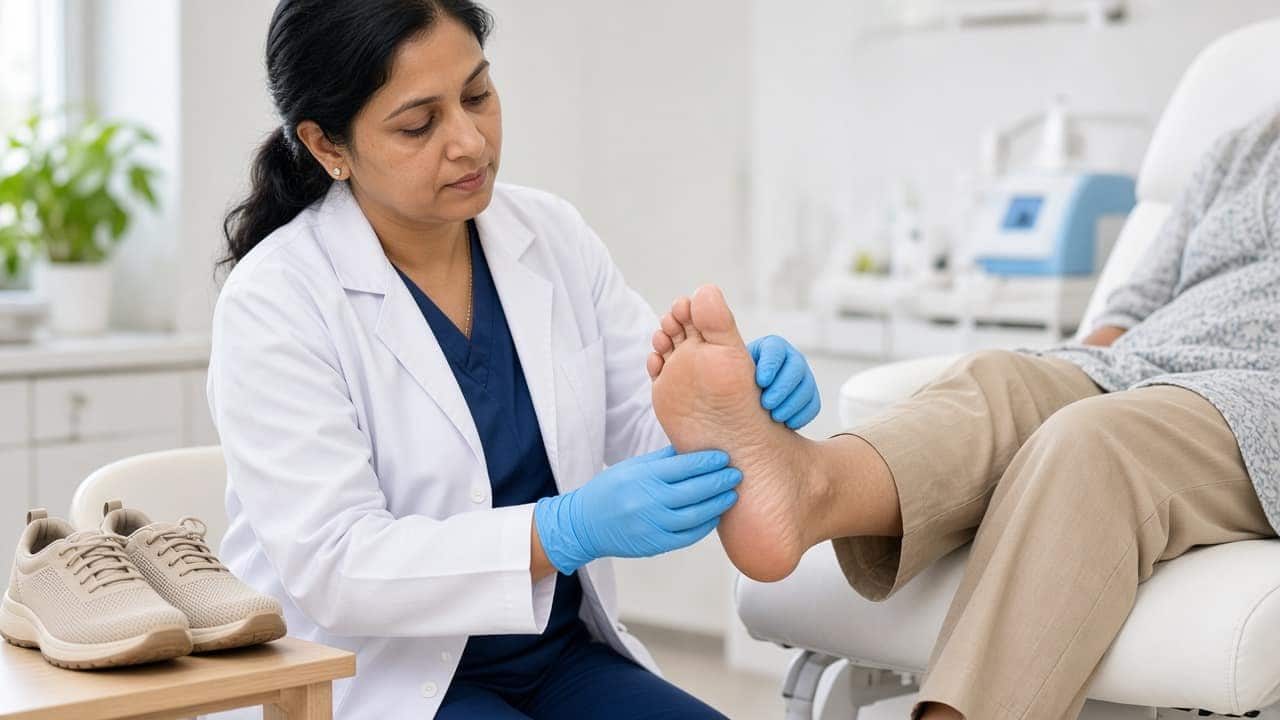
Peripheral arterial disease is narrowing of the arteries that supply the limbs, most often the legs. It is commonly related to fatty deposits in the artery wall. It may cause pain on walking and, when more severe, pain at rest or tissue loss.

Jade Clinics, Kokapet

Request a vascular consultation in Kokapet

Call the doctor, send a WhatsApp message, or leave an enquiry. The doctor confirms the time. An enquiry on its own is not a confirmed appointment.

Monday to Saturday, 5:00 PM–8:00 PM

Call+91 99088 77878WhatsAppBook an appointment