Peripheral arterial disease, often called PAD, means the arteries supplying the limbs have narrowed. In the legs this is usually due to atherosclerosis. Muscles then receive less blood during walking, which causes cramping pain that eases with rest. This pain is called claudication.
More severe disease can cause pain in the foot at night or at rest, and it can prevent a wound or a toe from healing. Dr. K. Athirath Reddy provides vascular consultation for these problems at Jade Clinics, Kokapet, Hyderabad.
Not everyone with a narrowed leg artery needs a procedure. Many people with stable walking pain improve their distance with walking, stopping smoking, and medicines. Restoring flow is considered when pain at rest, tissue loss, or limiting claudication makes the benefit relevant.
What We Offer

Peripheral Arterial Disease Evaluation
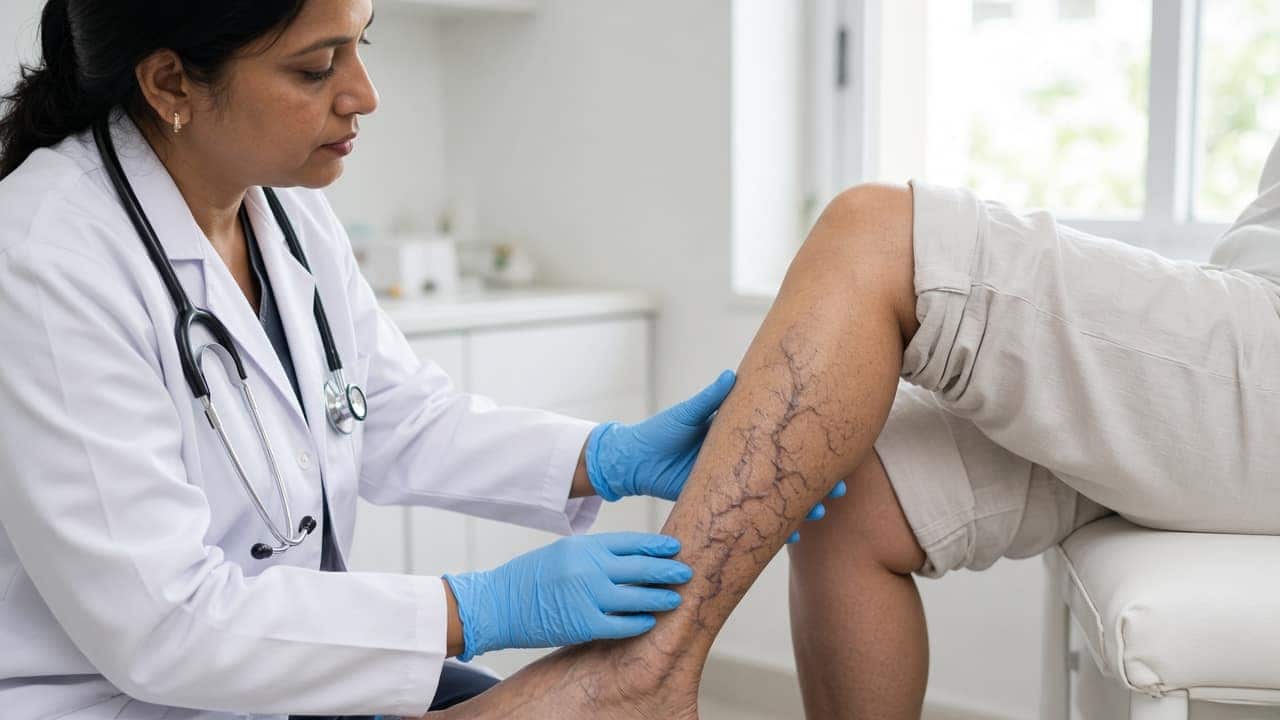
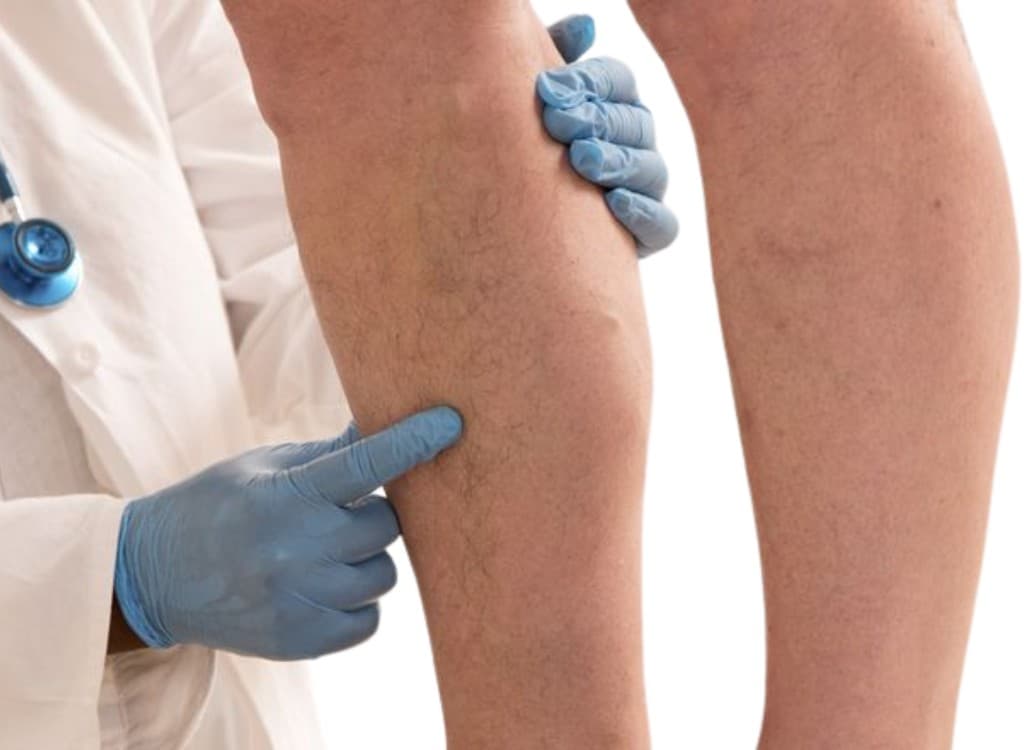
Peripheral arterial disease is narrowing of the arteries that supply the legs. Evaluation asks about walking distance, night pain, wounds, smoking, and diabetes. Pulses are examined and ankle pressures or ultrasound are used when they will change the plan. Spine or joint pain can feel similar, so the visit also looks for those patterns. Many people with stable walking pain are treated without a procedure.

Assessment of Reduced Blood Circulation
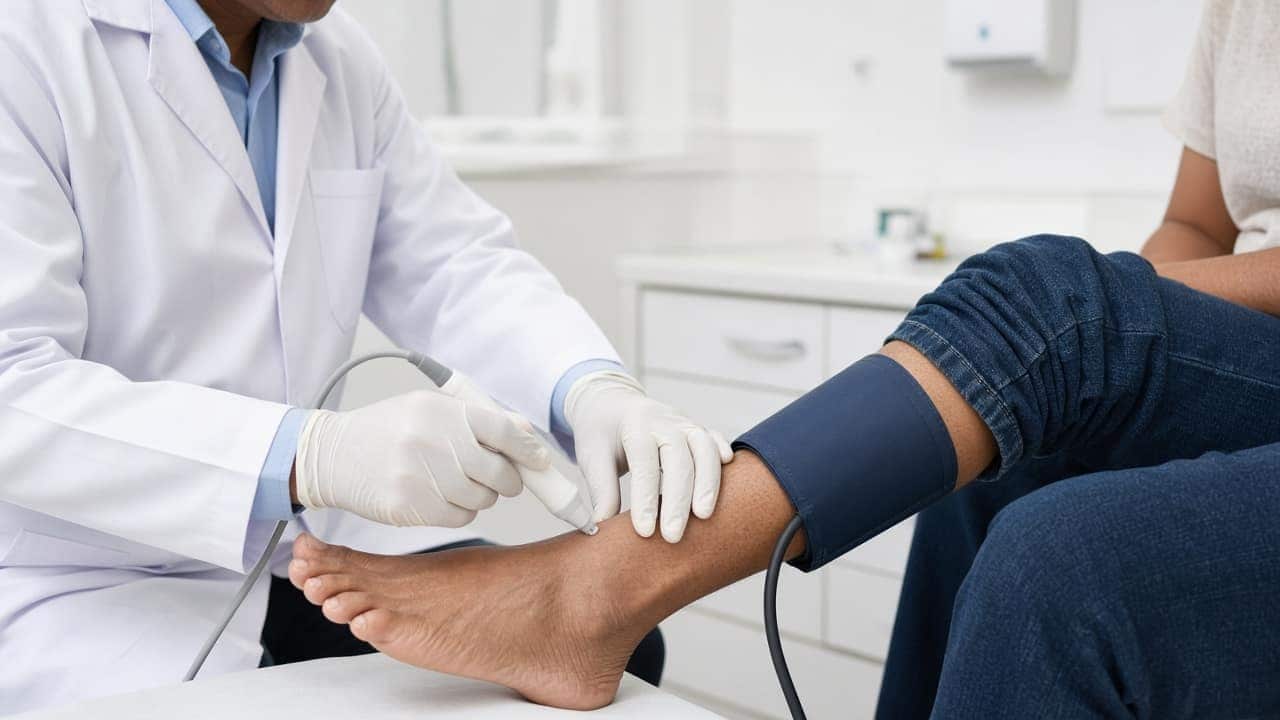
Reduced circulation may show up as calf pain on walking, cold feet, weak pulses, or a wound that does not heal. The assessment measures how much flow is reaching the foot and whether the skin is already at risk. A handheld Doppler and pressure studies are common first tests. Angiography is reserved for when a procedure is being considered. A suddenly cold, pale, or severely painful limb is an emergency, not a clinic measurement.

Peripheral Angioplasty & Revascularisation
Revascularisation means restoring flow through a narrowed or blocked leg artery. Angioplasty, stenting, or bypass are the usual methods, and the choice follows the scan and the symptoms. It is considered for rest pain, tissue loss, or walking limitation that has not improved with medical care. It is not offered for every narrowing seen on a report. The risks, the likely benefit, and the need for follow-up are discussed before a date is planned.

Arterial Blockage Management
An arterial blockage is managed according to how severe the symptoms are and how the blockage is arranged. Risk-factor care, walking, and medicines are the base of treatment for many people. A procedure is added when pain at rest, a wound, or limiting claudication makes the benefit relevant. The imaging has to show a pathway that can actually be opened or bypassed. Smoking cessation and diabetes control still matter after any procedure.

Limb Blood-Flow Assessment
Limb blood-flow assessment checks whether the foot is receiving enough arterial blood for walking and for wound healing. It combines the pulse examination with ankle pressures, toe pressures, or duplex ultrasound when needed. The result helps decide between continued medical care and a discussion of revascularisation. A single number does not replace the clinical picture. Bring previous Doppler or angiogram reports if you have them.

Peripheral Angioplasty Procedures
Angioplasty uses a balloon, passed into the artery through a small puncture, to open a suitable narrowing. It is a hospital procedure guided by imaging, not something done in the evening clinic. It suits some blockages and not others, depending on length, location, and the runoff into the foot. A stent may be added when the balloon result is not enough. The consultation explains whether angioplasty is realistic for that anatomy.

Vascular Stenting Procedures
A stent is a mesh tube that can hold open an artery after angioplasty when the vessel needs that support. It is used in selected narrowings, not as a routine addition to every balloon treatment. The decision depends on the location of the disease and how the artery behaves during the procedure. Blood-thinning medicines are often part of the aftercare. Follow-up checks whether the stent has stayed open.

Minimally Invasive Endovascular Treatment
Endovascular treatment works from inside the vessel, usually through a puncture in the groin or arm, using wires, balloons, and imaging. The incision is smaller than open surgery, but it is still a procedure with risks, contrast exposure, and a recovery period. It is chosen when the anatomy is suitable and the symptoms justify it. Open surgery remains the better option for some blockages. The two approaches are compared for that person, not in general.

Open bypass surgery for limb ischemia
Bypass surgery uses a vein or a graft to carry blood around a blockage when endovascular treatment is not the better option. It is considered for limb-threatening ischaemia or for selected, limiting disease after the imaging and the general health have been reviewed. It is an open operation with a hospital stay and a wound to heal. It is not the first step for mild, stable walking pain. The consultation explains what the graft is meant to achieve and how it will be followed.
01
Common symptoms and warning signs
- Calf, thigh, or buttock pain that starts at a predictable walking distance and eases with rest
- Cold feet or a change in skin colour
- Slow healing after a small injury
- Pain in the toes or forefoot at rest, often worse when lying flat
- A toe or heel that turns dusky, blue, or black
02
When to seek medical assessment
Walking pain that is new or getting shorter in distance should be assessed, especially in people who smoke or who have diabetes, high blood pressure, or high cholesterol.
Rest pain, gangrene, or a non-healing wound is more urgent. A limb that becomes suddenly cold and severely painful is an emergency.
03
Diagnostic and treatment approaches
Examination of pulses may be followed by ankle pressures, duplex ultrasound, or angiography when a procedure is being considered. Treatment starts with smoking cessation, walking, and medicines that reduce cardiovascular risk. Restoring blood flow is considered when pain at rest, tissue loss, or limiting claudication makes the benefit relevant.
- Supervised or structured walking, where the person can do it safely
- Medicines for cholesterol, blood pressure, diabetes, and blood thinning as indicated
- Angioplasty or stenting for suitable narrowings
- Bypass surgery when endovascular treatment is not the better option
04
What to expect at consultation
Bring reports of diabetes, heart disease, kidney disease, and any previous angiograms. The discussion covers walking distance, night pain, wounds, and smoking. Not everyone with PAD needs a procedure. Many people are treated with risk-factor care and follow-up.
05
What is peripheral arterial disease?
Peripheral arterial disease is narrowing or blockage of arteries outside the heart, most often the arteries that supply the legs. Fatty deposits in the artery wall, called atherosclerosis, are the usual cause. The same process can affect the heart and the brain, so a leg symptom is also a reason to take smoking, diabetes, blood pressure, and cholesterol seriously.
Claudication is cramp or tightness in the calf, thigh, or buttock that starts after a fairly predictable walking distance and eases within a few minutes of rest. Rest pain is different and more serious: pain in the toes or forefoot that appears when lying flat and may ease when the leg is hung down. A toe that turns dusky, blue, or black, or a wound that will not heal, means the foot is not getting enough blood.
Spine disease, joint disease, and nerve problems can mimic claudication. Pain that is present on standing still, or that follows a nerve down the leg, may not be arterial. The consultation separates those patterns with the history and the pulses before any procedure is discussed.
06
How is PAD assessed at the Kokapet clinic?
Assessment starts with walking distance, night pain, wounds, smoking, and diabetes. Pulses in the groin, behind the knee, and in the foot are examined. Ankle pressures, toe pressures, or duplex ultrasound are added when they will change the plan. Angiography is reserved for when a procedure is being considered. A single report of a narrowing does not set the treatment.
Dr. Athirath Reddy consults at Jade Clinics, Kokapet, Monday to Saturday, 5:00 PM–8:00 PM. Angioplasty, stenting, and bypass are hospital procedures, planned after the clinic assessment, not performed in the consulting room. Call +91 99088 77878 for a non-emergency appointment. A limb that becomes suddenly cold, pale, and severely painful is an emergency and should go to hospital the same day.
Questions patients ask
Is leg pain on walking always from blocked arteries?
No. Spine disease, joint disease, and nerve problems can cause similar pain. A vascular consultation helps separate these causes.
Can circulation improve without a procedure?
Many people with stable claudication walk farther with exercise, stopping smoking, and medicines. Procedures are reserved for selected, more severe, or limiting disease.
What is the difference between claudication and rest pain?
Claudication is muscle pain that starts on walking and eases with rest. Rest pain is pain in the foot at night or when lying flat, and it means the blood supply is more severely reduced. Rest pain, a black toe, or a non-healing wound needs prompt vascular assessment.
When is angioplasty or bypass considered for PAD?
They are considered when symptoms are limiting or the limb is threatened, and the scan shows a narrowing that can be opened or bypassed. They are not offered for every narrowing. Medical care and walking remain part of treatment either way.
This page is general education about vascular conditions and the way they are usually assessed. It does not diagnose a person or replace a consultation. Decisions about tests and treatment depend on an individual clinical assessment. Nothing on this website promises a particular result, a cure, or freedom from pain.