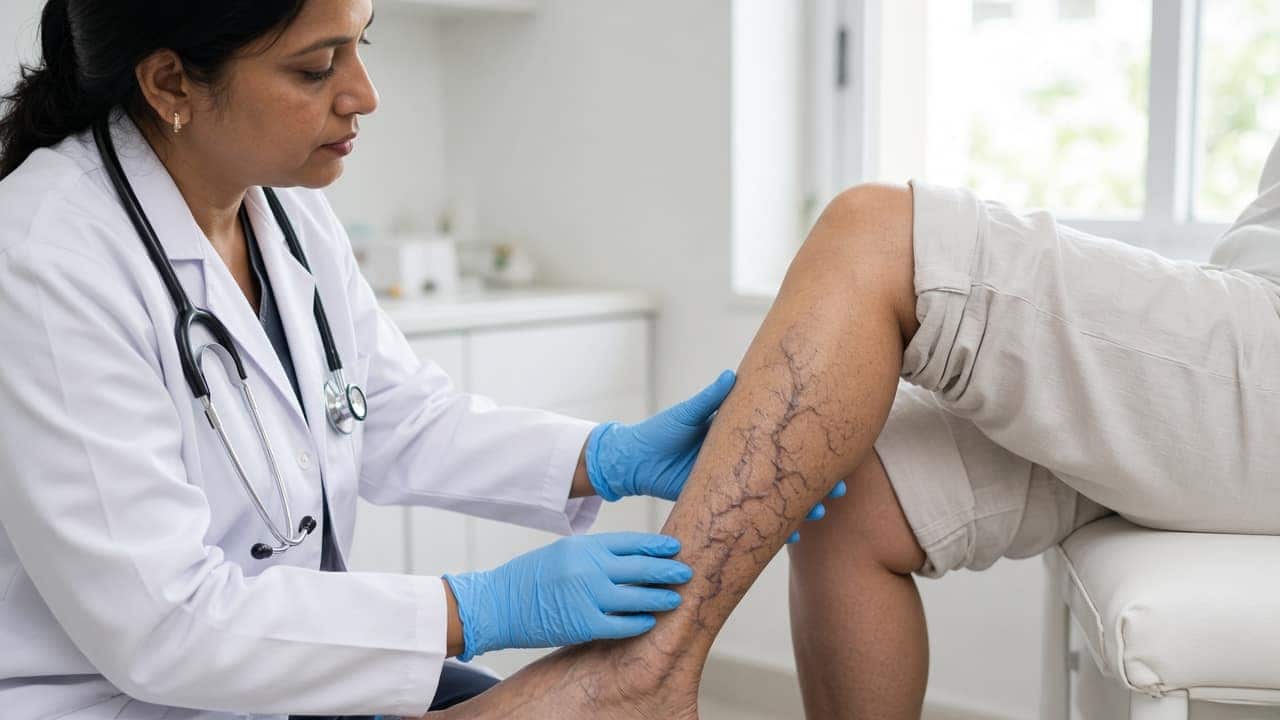

Diabetic foot surgery covers procedures that drain infection, remove tissue that cannot recover, correct pressure points, or support healing when a wound has reached bone or deep structures.
The aim, when it is realistic, is to control infection and preserve as much useful function of the foot as possible. The operation that is appropriate can only be decided after examining the foot and the circulation. Dr. K. Athirath Reddy discusses these decisions at Jade Clinics, Kokapet, Hyderabad. The operation itself is a hospital procedure.
Diabetic foot surgery does not always mean amputation. Many operations drain pus or remove a limited amount of dead tissue so the rest of the foot can be kept. Major amputation is discussed only when limb preservation is not realistic.
What We Offer

Surgical Management of Diabetic Foot Ulcers
Surgery for a diabetic foot ulcer is considered when infection, dead tissue, or a deep tract will not settle with dressings and offloading alone. The operation is planned around how far the damage extends and whether the foot has enough blood flow to heal. Improving circulation may need to come first. The goal is to control the wound, not to promise that the foot will look as it did before. Emergency swelling or fever should go to hospital the same day.

Debridement of Infected & Non-Healing Wounds
Debridement removes tissue that cannot recover so the remaining wound has a chance to heal. It may be limited to the surface or may need to go deeper when infection tracks under the skin. It is done when examination, and sometimes imaging, shows that dead tissue is holding the wound back. Blood flow is checked because a clean wound still needs circulation. The extent is decided at the time of assessment, not from a photograph alone.

Management of Foot Abscesses
A foot abscess is a collection of pus that usually needs drainage rather than antibiotics alone. In diabetes it can sit deep and cause less pain than expected because of neuropathy. Rapid swelling, fever, or spreading redness is an emergency and should not wait for the evening clinic. A stable collection can be assessed for drainage and for the circulation the foot will need afterwards. The dialysis or diabetes team is involved when those conditions are part of the risk.

Surgical Treatment of Diabetic Foot Complications
Complications include deep infection, bone involvement, deformity that reopens a wound, and tissue that cannot be saved. Surgery ranges from drainage to limited removal of a toe or part of the foot when that tissue will not recover. Major amputation is discussed only when limb preservation is not realistic. The conversation covers function, wound care afterwards, and what an operation cannot restore. Results depend on circulation, infection, kidney disease, and sugar control.

Post-Surgical Diabetic Foot Care
After foot surgery, care focuses on the wound, pressure relief, sugar control, and watching for infection coming back. A new fever, spreading redness, or a suddenly cold foot should be reported immediately. Dressings and offloading continue for as long as the wound needs them, which varies. Vascular follow-up checks pulses when circulation was part of the problem. Bring the operation note and the antibiotic list to the review.
01
Situations that may lead to a surgical discussion
- Pus, a deep abscess, or a wound that probes to bone
- Tissue that has turned black
- Infection that is spreading despite antibiotics
- A chronic ulcer at a site of repeated pressure
- A foot deformity that keeps reopening a wound
02
When to seek medical assessment
Do not wait for a scheduled evening appointment if the foot is rapidly swelling, the person has fever, or the skin is turning black. Those situations need emergency hospital assessment. A planned surgical opinion is suitable for stable, non-healing wounds.
03
Diagnostic and treatment approaches
Before an operation, the team needs to know how far infection extends and whether blood flow is adequate for healing. X-rays, blood tests, and vascular studies are used selectively. If the foot is ischaemic, improving circulation may need to come before or alongside local surgery.
- Drainage of an abscess
- Debridement of dead or infected tissue
- Limited removal of a toe or part of the foot when that tissue cannot be saved
- Discussion of major amputation only when limb preservation is not realistic
04
What to expect at consultation
The conversation includes what function can reasonably be protected, what an operation can and cannot achieve, and how wound care will continue afterwards. Outcomes vary. This practice does not quote a success rate for diabetic foot surgery because results depend on circulation, infection, kidney disease, and sugar control.
05
Which diabetic foot operations are considered?
The operation follows the problem in the foot, not a fixed sequence. An abscess needs drainage. Dead or infected tissue needs debridement so the remaining wound has a chance to heal. A toe or part of the forefoot is removed only when that tissue cannot recover or is keeping infection alive. A chronic ulcer at a pressure point may need the load removed, sometimes with footwear and sometimes with a procedure that changes the pressure.
Bone infection and a track that probes to bone raise the urgency and often need imaging. Antibiotics alone rarely clear pus that is trapped. They also cannot revive black tissue. The extent of an operation is decided from the examination and, when needed, from X-rays or scans. It is not decided from a photograph sent in advance.
If the foot is severely ischaemic, opening the arteries may have to come before or alongside the local operation. Angioplasty, stenting, or bypass are ways to restore flow. They are separate hospital procedures. Doing a local foot operation on a foot with no useful inflow often fails to heal. That is why pulses and circulation tests are part of surgical planning.
06
What can diabetic foot surgery not promise?
Surgery can control infection and remove tissue that will not recover. It cannot restore feeling that neuropathy has already taken, and it cannot guarantee that a new ulcer will never form if pressure and sugars remain unaddressed. Healing time varies with circulation, kidney disease, infection, and how completely the wound can be protected from walking pressure afterwards.
This practice does not publish a success percentage for diabetic foot surgery. A number from another hospital, or from a general article, does not predict one person’s result. The consultation explains the realistic aim for that foot: drainage, a smaller operation that preserves walking, or, when preservation is not realistic, a discussion of major amputation and what function can still be protected.
After surgery, dressings, offloading, sugar control, and watching for infection continue. A new fever, spreading redness, or a suddenly cold foot should be reported immediately rather than saved for the next review. Bring the operation note and the antibiotic list to follow-up at Jade Clinics.
07
Where is diabetic foot surgery planned in Hyderabad?
A planned surgical opinion for a stable, non-healing wound is available with Dr. Athirath Reddy at Jade Clinics, Kokapet, Monday to Saturday, 5:00 PM–8:00 PM. Call +91 99088 77878. Rapid swelling, fever, or skin turning black should go to an emergency department the same day. Those situations are not booked into the evening clinic.
The clinic visit examines the foot, reviews glucose and kidney reports, and explains whether hospital admission, circulation tests, or an operation is the next step. Consent and the operation take place in hospital, where anaesthesia and aftercare are available. He is also a consultant vascular and endovascular surgeon at Malla Reddy Narayana Multispeciality Hospital, Hyderabad.
Ask, at that visit, which part of the foot the operation is meant to save and how you will walk while the wound is open. Pressure on a fresh surgical wound undoes the operation. Offloading is planned before the date, not invented after the dressing comes off. Family members who help with dressings should hear the warning signs: fever, spreading redness, new drainage, and a foot that turns cold. Those signs go back to hospital. They are not watched until the next Kokapet evening.
Questions patients ask
Does diabetic foot surgery always mean amputation?
No. Many operations drain infection or remove a small amount of damaged tissue so the rest of the foot can be preserved. Amputation is discussed when tissue cannot recover or infection cannot be controlled otherwise.
Why is circulation checked before foot surgery?
A wound needs enough blood flow to heal. Operating on a foot with a severe arterial blockage, without addressing that blockage, may not achieve healing.
Can a foot abscess be treated with antibiotics alone?
Usually not. Pus that is collected in the foot needs drainage. Antibiotics support that drainage. In diabetes, deep infection can be less painful than expected because of neuropathy, so a swollen foot still needs examination.
Is a success rate quoted for diabetic foot surgery?
No. Results depend on circulation, infection, kidney disease, and sugar control. A personal outcome cannot be taken from a general percentage. The visit explains what the operation can and cannot achieve for that foot.
When should diabetic foot surgery not wait for a clinic slot?
Rapid swelling, fever, spreading redness, or black skin needs emergency hospital assessment the same day. A planned evening consultation is for stable wounds that are not healing.
This page is general education about vascular conditions and the way they are usually assessed. It does not diagnose a person or replace a consultation. Decisions about tests and treatment depend on an individual clinical assessment. Nothing on this website promises a particular result, a cure, or freedom from pain.