Vascular surgery is the care of diseases that affect blood vessels outside the heart and the brain. Endovascular treatment uses catheters, wires, and imaging from inside the vessel, often through a small puncture rather than a long incision.
Dr. K. Athirath Reddy, a consultant vascular and endovascular surgeon, consults on both approaches at Jade Clinics, Kokapet, Hyderabad. The choice between monitoring, medicine, an endovascular procedure, or open surgery depends on the diagnosis, anatomy, and a person’s general health. No single method is suitable for every patient.
A planned visit is for symptoms and reports that can wait for a clinic appointment. Angioplasty, stenting, bypass, and aneurysm repair, when they are appropriate, are hospital procedures. They are not done in the evening consulting room. A suddenly cold or pale limb, bleeding that will not stop, or sudden severe abdominal or chest pain needs an emergency department, not the next clinic slot.
What We Offer

Vascular Surgical Consultation & Evaluation
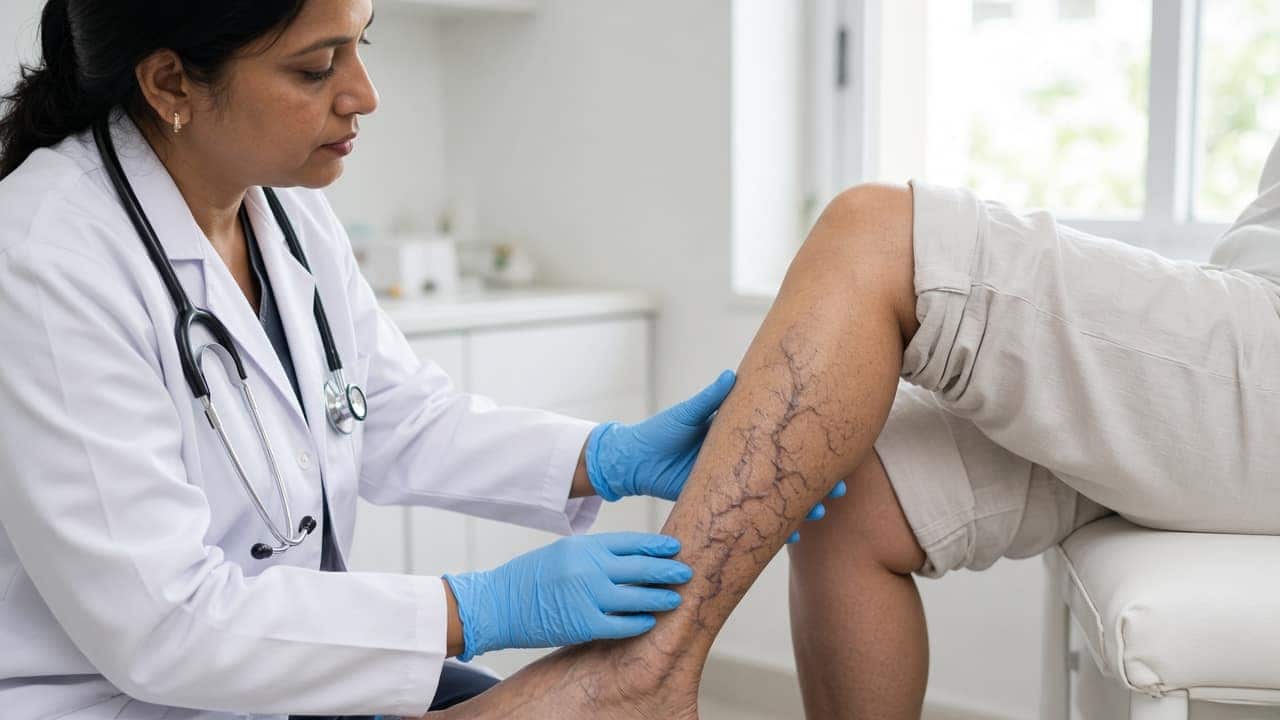
A vascular consultation is a planned visit for symptoms that may come from arteries or veins. The history, pulse examination, and any scans you already have are reviewed together. The visit explains whether the problem needs tests, medicine, observation, or a later discussion of a procedure. It does not confirm an operation by itself. Bring medicine lists and previous reports so the assessment can be specific to you.

Diagnosis & Management of Vascular Conditions
Diagnosis starts with the pattern of symptoms, the examination, and the test that actually changes the plan. Duplex ultrasound, pressure studies, and cross-sectional scans are used when they add useful information. Management may be risk-factor care, follow-up, or a procedure when the expected benefit is relevant. Not every narrowing or visible vein needs treatment. The plan is explained in plain language before any decision.

Arterial & Venous & Lymphatic Disease Assessment
Leg pain, swelling, and skin change can come from arteries, veins, lymphatic drainage, or a mix of these. The assessment separates those patterns instead of treating every swollen or painful limb the same way. Pulses, skin, and vein findings are examined, and ultrasound is added when it will clarify the cause. Lymphatic swelling is recognised when the picture does not fit vein disease alone. The next step depends on which system is involved.

Pre-Operative Vascular Evaluation & Planning
When a procedure is being considered, planning checks the anatomy, the symptoms, and the person’s general health. Existing scans are reviewed and further imaging is requested only if the decision depends on it. The discussion covers what an endovascular approach can do, when open surgery is the better fit, and what can reasonably be expected. Medicines, especially blood thinners, are reviewed. A date is not an emergency pathway.

Post-Operative Vascular Care & Follow-Up
Follow-up after a vascular procedure checks the wound, the pulses, and whether the treated vessel is doing what was intended. New pain, bleeding, a cold limb, or a suddenly swollen leg should be reported promptly rather than waiting for a routine slot. Many people also need continued care for diabetes, blood pressure, or smoking cessation. The interval between visits depends on the procedure and the healing. Bring the operation note if you have it.
01
Problems that may need a vascular opinion
- Pain in the leg on walking, or pain in the foot at rest
- Wounds on the foot or leg that are slow to heal
- Visible varicose veins with aching, swelling, or skin change
- A known aneurysm, or a pulsatile swelling
- Difficulty with a dialysis fistula or graft
- Sudden coldness, pallor, or severe pain in a limb
02
When to seek medical assessment
Book a consultation for symptoms that are persistent, worsening, or affecting walking, work, or sleep. A planned visit is appropriate for many vein and artery problems.
A suddenly cold, pale, painful, or numb limb, heavy bleeding, chest pain, or sudden breathlessness should be assessed in an emergency department. Do not wait for the evening clinic.
03
Diagnostic and treatment approaches
Assessment usually starts with the history and examination of pulses, the limb, and any wound. Duplex ultrasound, ankle-brachial pressure measurements, and cross-sectional imaging are used when they add useful information.
- Risk-factor care, walking programmes, and medicines when indicated
- Endovascular procedures such as angioplasty or stenting in selected narrowings
- Open operations, including bypass, when the anatomy or the disease pattern favours that approach
- Combined care with diabetes, cardiology, nephrology, or wound teams when needed
04
What to expect at consultation
- A review of symptoms, previous scans, and current medicines
- Examination of the relevant pulses, veins, and skin
- A plain-language explanation of the findings
- A plan that may be observation, further tests, or a discussion of procedure options
05
What does vascular and endovascular surgery cover?
Vascular and endovascular surgery covers disease of arteries and veins outside the heart and the brain. In this practice that includes narrowed leg arteries, varicose veins and venous ulcers, arterial aneurysms, dialysis fistulas and grafts, diabetic foot problems linked to poor blood flow, and follow-up after a blood-vessel injury. A consultation does not assume that an operation is the next step. Some people need another test, some need medicines and walking advice, and some need a procedure only after the anatomy is clear.
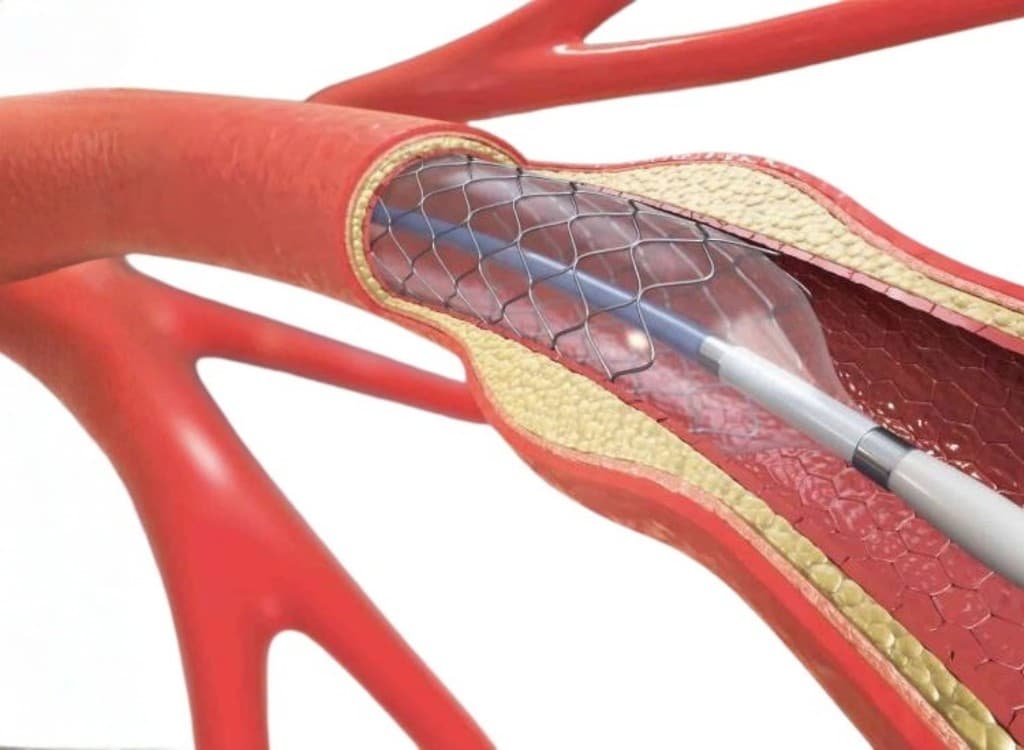
Endovascular treatment reaches the vessel from the inside. A needle puncture, usually in the groin or the arm, lets wires, balloons, stents, or stent-grafts be placed under X-ray guidance. The skin opening is small. The procedure still uses contrast dye, it can injure a vessel, and it needs recovery and follow-up. Open surgery uses an incision. It is the better fit when a blockage is long, when aneurysm anatomy will not hold a stent-graft safely, or when a bypass is more durable for that person.
A report that mentions a narrowing is not, by itself, a reason to open it. Symptoms, any wound, fitness for a procedure, kidney function, and the pattern of disease all change the plan. Dr. Athirath Reddy explains which of those factors apply before a treatment date is discussed. The aim is a decision the person can follow, including the option of no procedure.
06
How is a vascular treatment chosen?
Treatment is chosen from the history, the examination, and the test that would actually change the plan. Duplex ultrasound is often the first study for veins and for many leg arteries. Ankle pressures add a measure of flow to the foot. Cross-sectional scans, including CT angiography, are requested when a procedure is being considered or when ultrasound cannot answer the question. Tests are not ordered as a bundle.
Medical care comes first for a large share of artery disease. Stopping smoking, a walking programme the person can do safely, and medicines for cholesterol, blood pressure, diabetes, and blood clotting reduce the chance of heart attack and stroke as well as protecting the limb. A procedure is added when pain at rest, a wound, a growing aneurysm, or walking limitation makes the expected benefit relevant to that person.
Endovascular and open options are compared for the anatomy in front of the surgeon, not as a general preference for “keyhole” treatment. A shorter incision does not make a procedure suitable. If the runoff into the foot is poor, or the vein needed for a bypass is missing, that fact is part of the advice. Follow-up is planned at the same time, because a treated vessel can narrow again.
07
Where is vascular consultation available in Hyderabad?
Dr. K. Athirath Reddy consults at Jade Clinics, Kokapet, Hyderabad, Telangana, Monday to Saturday, 5:00 PM–8:00 PM. Sunday hours are not listed. People come from Kokapet, Financial District, Gachibowli, Narsingi, and other parts of Hyderabad for a planned opinion on artery and vein disease. Call +91 99088 77878 or message the clinic on WhatsApp to request a time. An online enquiry is not a confirmed appointment until the clinic agrees a slot.
He is also a consultant vascular and endovascular surgeon at Malla Reddy Narayana Multispeciality Hospital, Hyderabad. Hospital care is where urgent imaging, anaesthesia, and procedures take place. The Kokapet clinic is for consultation, examination, review of scans, and follow-up of stable problems. Bring previous Doppler reports, CT discs, discharge summaries, and a list of medicines, especially blood thinners and diabetes treatment.
Wear clothing that lets the legs, feet, or dialysis arm be examined. If a limb has become suddenly cold, pale, severely painful, or numb, do not travel to the evening clinic. Go to the nearest emergency department. Time without blood flow risks permanent muscle and nerve injury. The same applies to bleeding that will not stop and to sudden severe abdominal, back, or chest pain.
Questions patients ask
Is endovascular treatment always possible instead of open surgery?
No. Endovascular treatment suits some narrowings, blockages, and aneurysms, and open surgery suits others. The decision follows imaging and a clinical assessment, not a preference stated in advance.
Will a procedure be recommended at the first visit?
Not always. Some people need tests first. Others are safer with medicines and follow-up. A procedure is discussed when the expected benefit is relevant to that person’s symptoms and risks.
What is the difference between vascular surgery and endovascular treatment?
Vascular surgery is the specialty that treats artery and vein disease. Endovascular treatment is one method inside that specialty: it works through a puncture and imaging from inside the vessel. Open surgery uses an incision. Both are considered. The safer method depends on the vessel, the symptoms, and general health.
Where does Dr. Athirath Reddy see vascular patients in Hyderabad?
Planned consultations are at Jade Clinics, Kokapet, Monday to Saturday, 5:00 PM–8:00 PM. Procedures that need a hospital are not performed in that consulting room. He also consults as a vascular and endovascular surgeon at Malla Reddy Narayana Multispeciality Hospital.
Do I need a referral for a vascular opinion?
A referral is useful when another doctor has already arranged tests, but it is not required to request a consultation. Bring whatever reports you have. The clinic confirms the time. Submitting a form does not reserve a slot by itself.
Which symptoms should not wait for a clinic appointment?
A suddenly cold, pale, painful, or numb limb, bleeding that will not stop, sudden severe abdominal or chest pain, collapse, and sudden breathlessness need emergency care the same day. The evening clinic is for non-emergency assessment and follow-up.
This page is general education about vascular conditions and the way they are usually assessed. It does not diagnose a person or replace a consultation. Decisions about tests and treatment depend on an individual clinical assessment. Nothing on this website promises a particular result, a cure, or freedom from pain.