Diabetes can injure the nerves and the arteries of the foot. A person may not feel a shoe rub or a small cut, and reduced blood flow can then stop that injury from healing. Infection can spread quickly in this setting.
Diabetic foot care aims to recognise ulcers early, treat infection, offload pressure, and check whether poor circulation is part of the problem. Limb preservation depends on timing as much as on the procedure chosen later.
Dr. K. Athirath Reddy, a vascular and endovascular surgeon and diabetic foot specialist, assesses these feet at Jade Clinics, Kokapet, Hyderabad. Dressings are only one part of care. A foot with fever, spreading redness, or black skin should not wait for a routine evening appointment.
What We Offer

Comprehensive Diabetic Foot Assessment
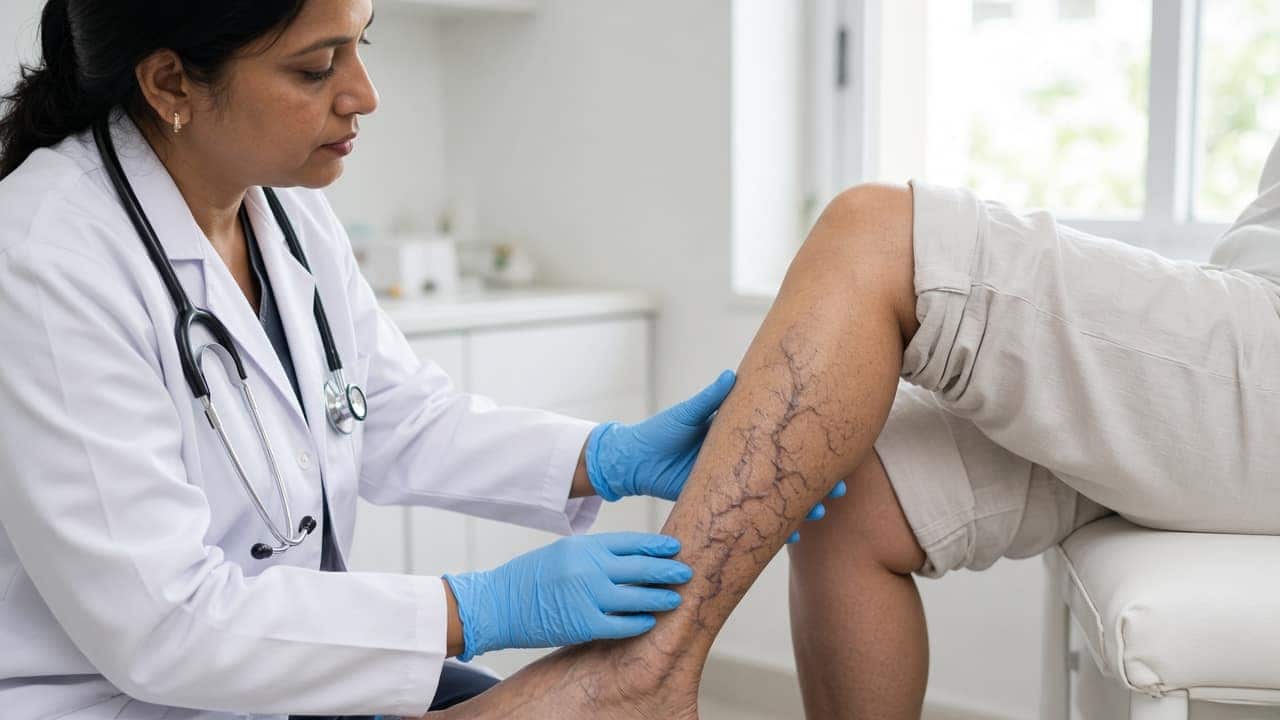
A diabetic foot assessment looks at sensation, deformity, pulses, skin, and any break in the skin. Numbness can hide a serious ulcer, so the examination is not limited to the spot that hurts. Footwear and pressure points are reviewed because repeated load keeps wounds open. Sugar control, kidney disease, and smoking change the risk and are part of the history. The plan may be prevention, wound care, or an urgent hospital referral.

Diabetic Foot Ulcer Evaluation & Management
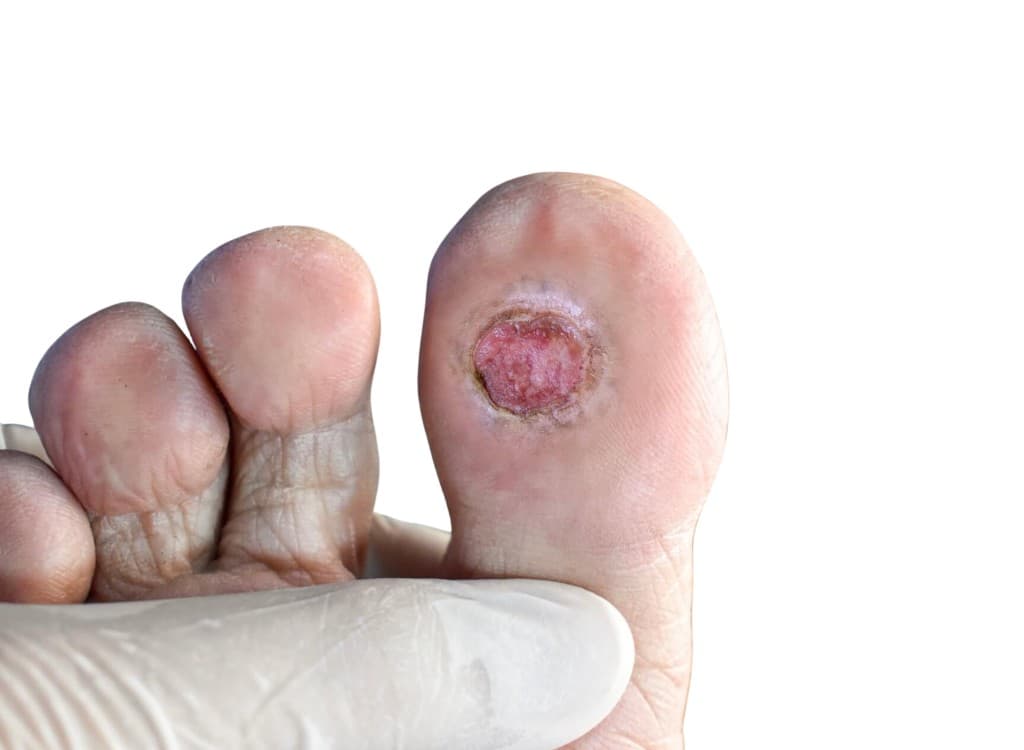
A diabetic foot ulcer is assessed for depth, infection, and whether blood flow is enough for healing. Callus, pressure, and a deeper track to bone change the urgency. Offloading, wound care, and circulation tests are used together rather than dressings alone. An enlarging wound, fever, or black skin should not wait for a routine evening slot. A healing date is not promised at the first visit.

Diabetic Foot Infection Management
Infection in a diabetic foot can spread quickly under the skin, especially when sensation is reduced. The visit looks for redness, swelling, discharge, and signs that the person is unwell. Mild, stable infection may be treated with antibiotics and close review. Fever, rapidly spreading redness, or a collection of pus needs emergency hospital care. Circulation is checked because antibiotics cannot heal tissue that has no blood supply.

Assessment of Foot Circulation
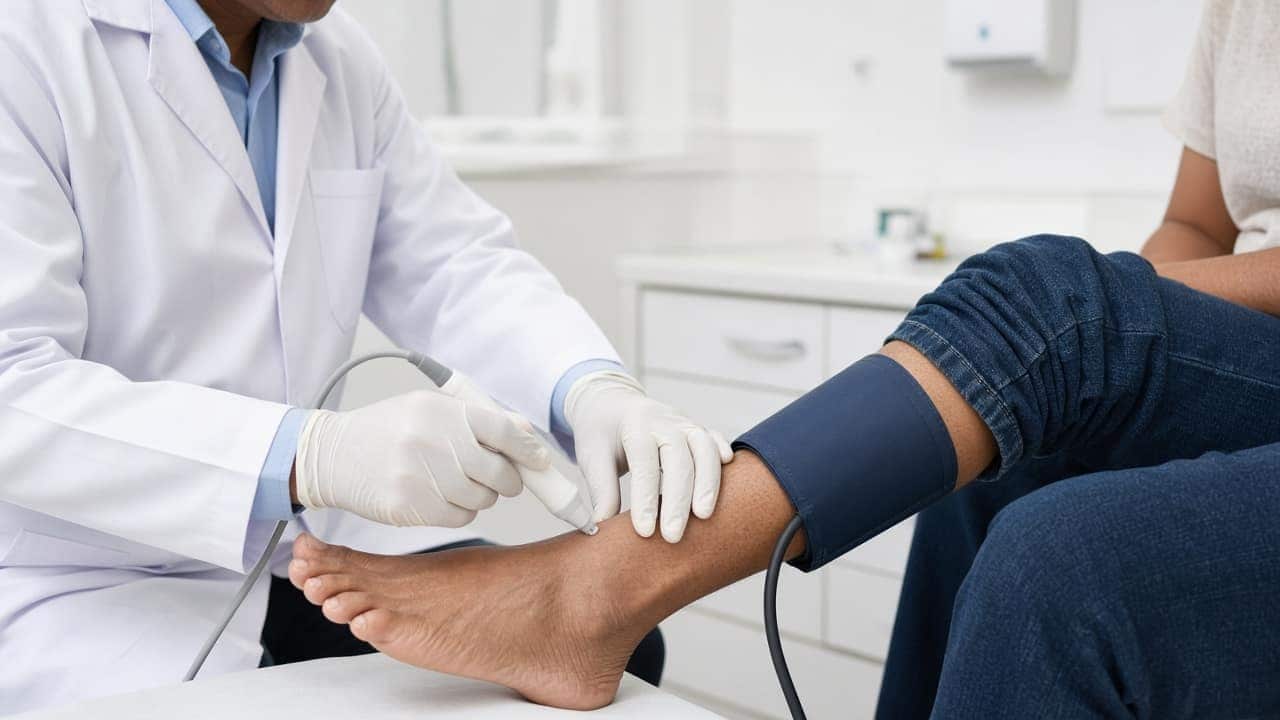
Foot circulation is checked because poor arterial flow is a common reason a diabetic wound stays open. Pulses, a handheld Doppler, and pressure studies show whether the foot is receiving enough blood. If flow is reduced, improving it may need to be discussed before or alongside local wound care. The test result is read with the wound, not as a number on its own. A suddenly cold or pale foot is an emergency.

Limb Preservation & Preventive Foot Care
Limb preservation means protecting walking function by finding ulcers, infection, and poor flow early. Preventive care includes daily foot checks, pressure relief, and prompt review of a new blister or crack. Vascular assessment is one part of that, alongside diabetes care and footwear. Not every foot problem needs an operation. The aim of the visit is a practical plan for the risk that person actually has.
01
Common symptoms and warning signs
- A blister, crack, or open sore on the sole, heel, or toe
- Redness, warmth, swelling, or discharge
- Black or blue skin
- A foot that feels numb, or a change in shape of the foot
- New pain in a foot that was previously numb
- Fever with a foot wound
02
When to seek medical assessment
Any new ulcer in a person with diabetes should be seen promptly. Same-day emergency care is safer if there is fever, spreading redness, a foul smell, confusion, very high sugars, or a suddenly cold foot.
03
Diagnostic and treatment approaches
- Examination of sensation, pulses, deformity, and the wound
- Circulation tests when pulses are weak or a wound is not healing
- Pressure relief with footwear, offloading, or rest of the area
- Antibiotics and drainage when infection is present
- Revascularisation when reduced blood flow is limiting healing
- Coordination with diabetes care, podiatry, and wound care
04
What to expect at consultation
Bring glucose records, kidney reports, and a list of medicines. The foot needs to be examined out of footwear. Photographs of the wound can help, but they do not replace an examination. The plan may include urgent hospital care if infection or ischaemia is advanced.
05
Why do diabetic foot problems start?
Two injuries from diabetes explain most serious foot problems. Neuropathy reduces feeling, so a shoe rub, a stone, or a crack in dry skin is missed. Ischaemia, from narrowed arteries, reduces the blood the skin needs in order to heal. Infection then finds a way in. A foot can have one of these problems or all three at once, which is why a dressing change without an examination of sensation and pulses is incomplete.
Pressure keeps many ulcers open. A callus under the ball of the foot, a clawed toe, or a collapsed arch concentrates load on one spot. Walking on that spot reopens the wound every day. Offloading, with footwear, a cast, or rest of the area, is treatment. It is not an optional extra after the dressing.
Kidney disease, poor sugar control, and smoking make healing harder and make infection more dangerous. The consultation asks about them because they change the plan. A vascular opinion does not replace the diabetes doctor. It adds the circulation and limb-preservation assessment that diabetes care needs when the skin has broken.
06
How is a diabetic foot assessed?
The foot is examined out of shoes and socks, including the sole, the heels, and between the toes. Sensation, deformity, pulses, skin colour, and any break in the skin are checked. A wound is assessed for depth, track, smell, and whether bone can be felt. X-rays and blood tests are used when infection or bone involvement is suspected. Circulation tests are added when pulses are weak or a wound is not shrinking.
Mild, stable infection may be treated with antibiotics and close review. Fever, rapidly spreading redness, confusion, very high sugars, or a collection of pus needs emergency hospital care the same day. A suddenly cold or pale foot is also an emergency. Antibiotics cannot heal tissue that has no blood supply, so flow is checked even when infection is the obvious problem.
If reduced flow is limiting healing, revascularisation by angioplasty, stenting, or bypass is discussed. That procedure is done in hospital, after the clinic or the emergency team has defined the anatomy. Improving blood flow may need to happen before or alongside local wound care. A healing date is not promised at the first visit.
07
Where is diabetic foot consultation available in Kokapet?
Dr. Athirath Reddy consults at Jade Clinics, Kokapet, Hyderabad, Monday to Saturday, 5:00 PM–8:00 PM. Call +91 99088 77878 to request a planned review of a stable ulcer, a numb foot, or a wound that is slow to close. Bring glucose records, kidney reports, a medicine list, and any earlier Doppler study. The clinic confirms the time. A form on the website does not reserve it.
Use the emergency department, not the evening clinic, if the foot is rapidly swelling, the person has fever, the skin is turning black, or the foot has become cold and pale. Limb preservation is more likely when infection and ischaemia are treated early. Waiting overnight to protect a routine appointment can cost tissue.
After the urgent problem has settled, follow-up checks whether the wound is smaller, whether pressure has been removed, and whether pulses remain adequate. Daily foot checks at home, and shoes that do not rub, are part of that plan. Vascular care sits alongside diabetes treatment, podiatry, and wound care. It does not replace them.
People often ask whether a numb foot without a wound still needs a vascular visit. Numbness itself is a diabetes problem, and the useful question for this clinic is whether the skin is intact and the pulses are present. A new blister, a crack, a change in foot shape, or a wound that the person cannot feel is a reason to be examined. Waiting until the spot turns black removes options that were available earlier. Bring the shoes you actually wear. The pressure point is often visible on the insole even when the ulcer looks small.
Questions patients ask
Can a diabetic foot ulcer be treated with dressings alone?
Dressings are only one part of care. Pressure relief, infection control, sugar management, and blood flow all affect whether a wound can heal. A ulcer that is only dressed, without those checks, can worsen quietly.
Does every diabetic foot ulcer need surgery?
No. Some heal with offloading and medical care. Surgery or a circulation procedure is considered when tissue, infection, or blood flow requires it.
Why check circulation if the problem looks like an ulcer?
A wound needs enough arterial blood to heal. Weak pulses or a cold foot mean poor flow may be the reason the ulcer is still open. Dressings and antibiotics do not replace that blood supply.
When is a diabetic foot an emergency?
Fever, rapidly spreading redness, a foul smell, confusion, very high sugars, black skin, or a suddenly cold foot need same-day emergency care. A stable ulcer can be booked as a planned vascular consultation.
Who provides diabetic foot care in Kokapet?
Dr. K. Athirath Reddy assesses diabetic foot ulcers, infection risk, and reduced circulation at Jade Clinics, Kokapet, Hyderabad, Monday to Saturday, 5:00 PM–8:00 PM. Call +91 99088 77878. Hospital treatment is arranged separately when a procedure or admission is needed.
This page is general education about vascular conditions and the way they are usually assessed. It does not diagnose a person or replace a consultation. Decisions about tests and treatment depend on an individual clinical assessment. Nothing on this website promises a particular result, a cure, or freedom from pain.