Dr. K. Athirath Reddy, Vascular Surgery
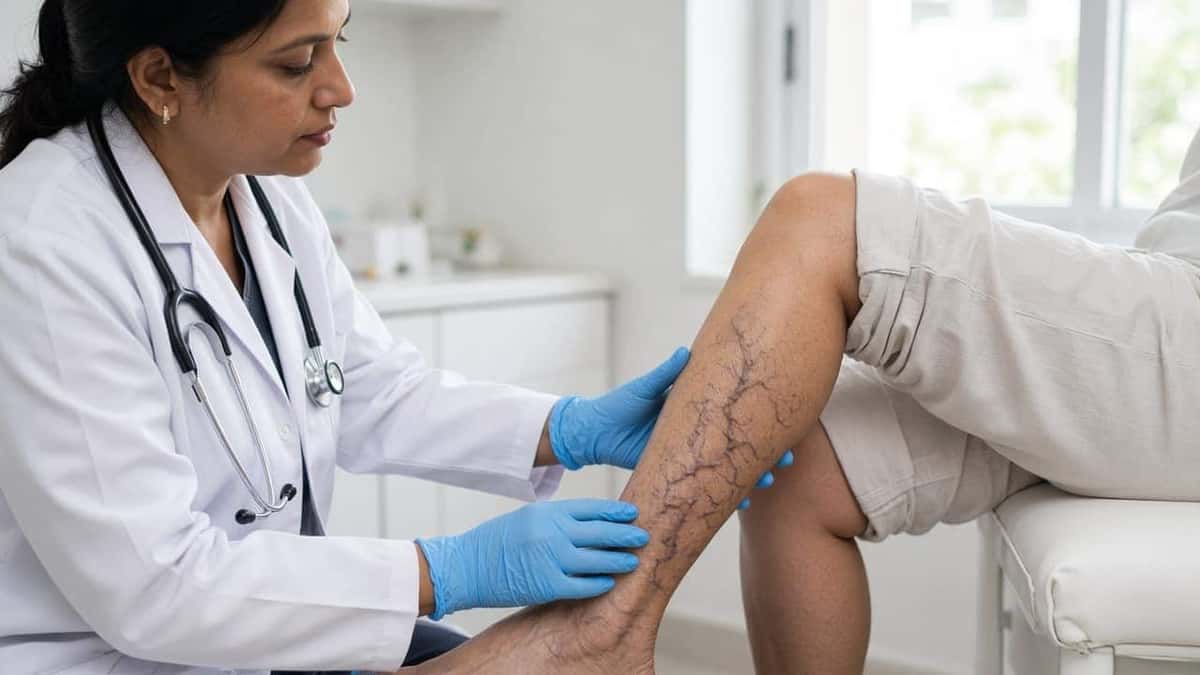
An Indian clinician examining varicose veins on a patient's calf

Patient education

Understanding varicose veins

Why leg veins become varicose, which symptoms matter, and when a vascular opinion is useful.

01

A valve problem, not only a visible vein

Varicose veins are widened, twisting veins just under the skin. They usually appear in the calf or thigh. The change starts when valves inside the vein no longer meet. Blood that should move up toward the heart slips back down while you stand.

The vein then stretches. Aching and heaviness tend to build through the day and ease if you lie down and raise the leg. That daily pattern is a useful clue.

02

Symptoms that are more than appearance

Some people are bothered mainly by how the veins look. Others develop itching, ankle swelling, brown staining of the skin, or a patch of hard skin above the ankle. An open sore in that area is a venous ulcer until proven otherwise.

  • Bleeding from a surface vein needs firm pressure and a medical check
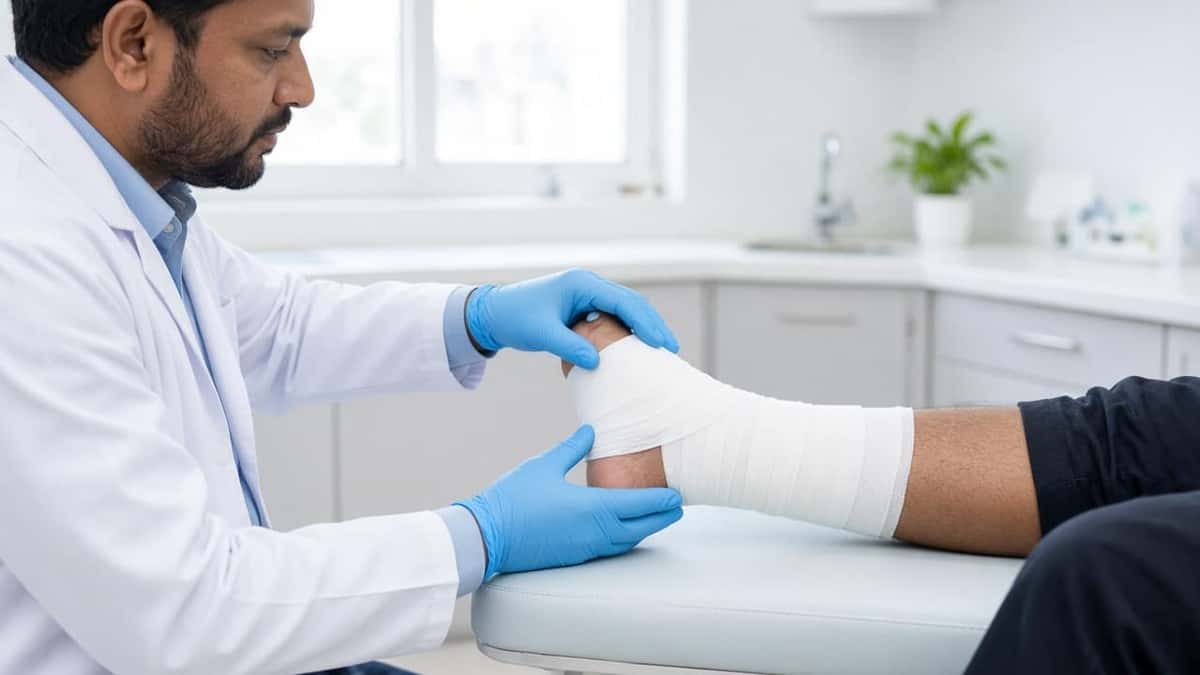
  • A wound near the ankle should not be dressed for weeks without examining the veins
  • Sudden swelling of one whole leg is not typical of ordinary varicose veins and needs urgent assessment for a clot

03

What an assessment adds

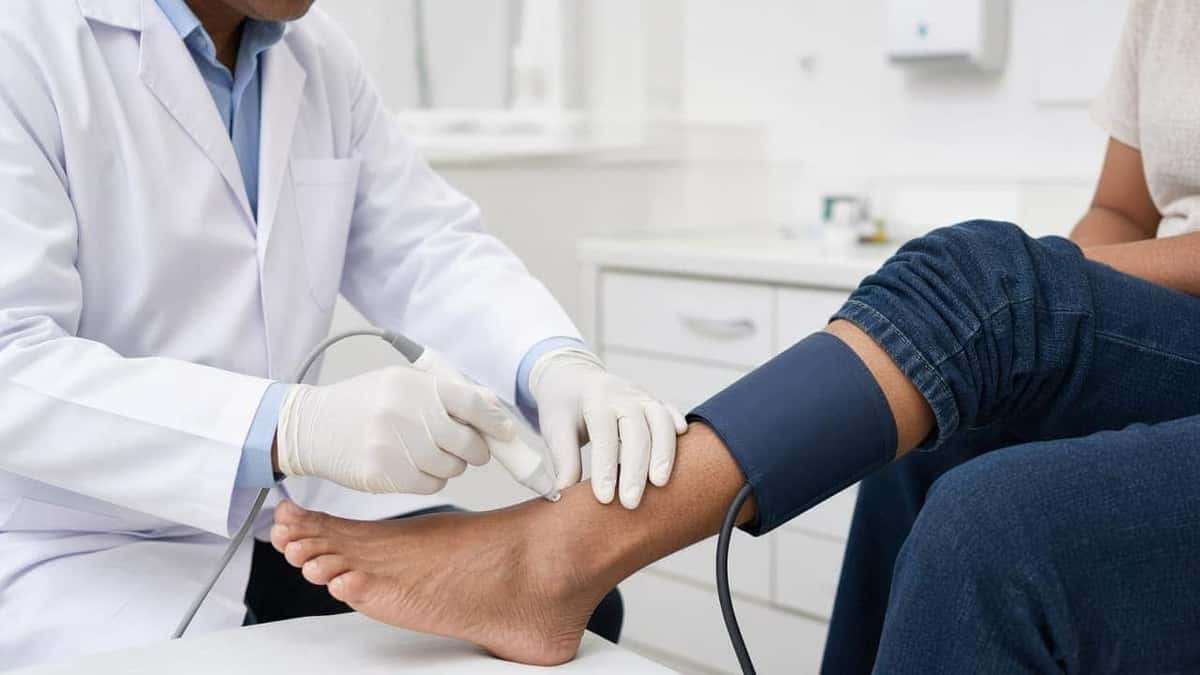
Looking at the leg is not enough to plan treatment. A duplex ultrasound shows which trunk vein is leaking and whether the deep veins are open. Stockings can ease symptoms. Procedures, when they are suitable, are aimed at the leaking vein mapped on that scan.

Veins can recur after treatment. A careful opinion explains that possibility instead of promising that the leg will be permanently free of veins.

This page is general education about vascular conditions and the way they are usually assessed. It does not diagnose a person or replace a consultation. Decisions about tests and treatment depend on an individual clinical assessment. Nothing on this website promises a particular result, a cure, or freedom from pain.
Questions

Frequently asked questions

Short answers about vascular consultation, the clinic, and urgent symptoms.

What does a vascular surgeon treat?

A vascular surgeon assesses and treats diseases of the arteries and veins, other than the heart itself and the vessels inside the brain. This includes varicose veins, peripheral arterial disease, aneurysms, deep vein thrombosis, dialysis access problems, vascular injury, and many complications of poor circulation, including diabetic foot disease.

When should I consult a vascular surgeon?

Arrange a consultation for leg pain on walking, varicose veins with aching or skin change, a foot or leg wound that is not healing, new leg swelling, or a known circulation problem. Sudden severe limb pain, a cold pale limb, heavy bleeding, chest pain, or sudden breathlessness needs emergency care, not a routine clinic visit.

What are the common symptoms of varicose veins?

Common symptoms are twisted visible veins, aching, heaviness, itching, ankle swelling, and cramps. Some people have few symptoms. Skin darkening, hard patches of skin, bleeding from a vein, or an ulcer near the ankle should be assessed.

What are the warning signs of poor blood circulation in the legs?

Warning signs include calf or thigh pain on walking that eases with rest, cold feet, pale or shiny skin, and wounds that heal slowly. Pain in the foot at rest, or a toe that becomes blue or black, needs prompt medical assessment.

When should a diabetic foot ulcer be evaluated?

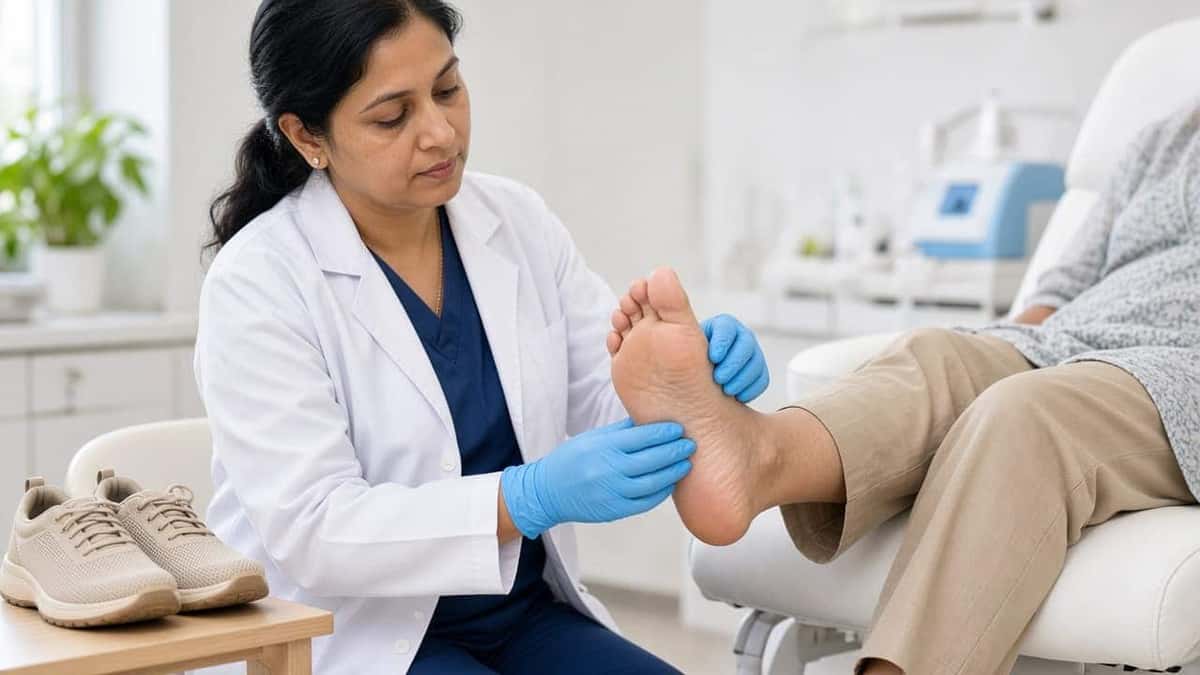
A diabetic foot ulcer should be evaluated as soon as it is noticed. Do not wait to see whether it closes on its own. Fever, spreading redness, a foul smell, black tissue, or a suddenly cold foot needs same-day emergency care.

What is peripheral arterial disease?

Peripheral arterial disease is narrowing of the arteries that supply the limbs, most often the legs. It is commonly related to fatty deposits in the artery wall. It may cause pain on walking and, when more severe, pain at rest or tissue loss.

Jade Clinics, Kokapet

Request a vascular consultation in Kokapet

Call the doctor, send a WhatsApp message, or leave an enquiry. The doctor confirms the time. An enquiry on its own is not a confirmed appointment.

Monday to Saturday, 5:00 PM–8:00 PM

Call+91 99088 77878WhatsAppBook an appointment