
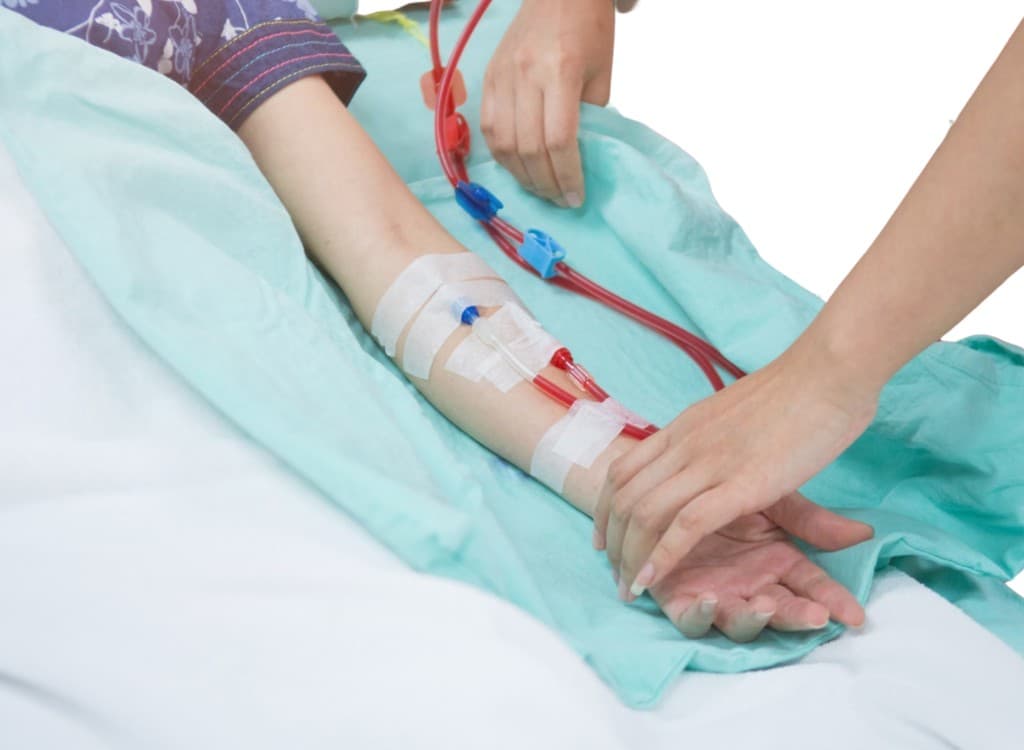
Haemodialysis needs reliable access to the bloodstream. An arteriovenous fistula or graft is created so that a vein or graft can be needled safely for treatment. Catheters are another form of access, with a higher infection risk when used for a long time.
Vascular access care includes planning a fistula, and assessing problems such as poor maturation, stenosis, thrombosis, aneurysm formation, prolonged bleeding after dialysis, and steal syndrome that leaves the hand short of blood. Dr. K. Athirath Reddy provides this consultation at Jade Clinics, Kokapet, Hyderabad.
Creating or revising an access is a planned hospital procedure. It is not done in the evening consulting room. A missing thrill, a suddenly cold hand, or fever with a recently used catheter or graft should be reported the same day to the dialysis unit or emergency services.
What We Offer

Vascular Access Consultation
A vascular access consultation plans how dialysis will connect to the bloodstream, or reviews an access that is already in use. The arms are examined for veins and pulses, and previous access operations are reviewed. Ultrasound mapping is used when it will show a better site. The visit coordinates with the dialysis team. Please do not let blood pressure cuffs or needles be used on a fistula arm unless that team has directed it.

AV Fistula Creation
An arteriovenous fistula joins an artery to a vein so the vein can enlarge and be used for dialysis needles. It is created only after the vessels have been assessed and the dialysis team agrees it is the right access. It needs time to mature before it can be used, and not every fistula matures as hoped. The consultation explains the site being considered and what follow-up will look for. It is a planned procedure, not part of the evening examination itself.

AV Fistula Evaluation & Management
A fistula that is difficult to needle, slow to mature, or losing its thrill needs examination and often an ultrasound. Narrowing can sometimes be treated so the access can keep being used. Clotting, a suddenly absent thrill, or a cold hand should be reported to the dialysis unit the same day. Planned review is for problems that are stable enough to wait for a clinic time. Bring the dialysis summary and any previous fistulogram.

Management of Dialysis Access Complications
Complications include narrowing, clotting, bleeding, aneurysm-like enlargement of the vein, infection, and steal, where the hand loses flow. Each one is assessed differently. Fever with a recently used catheter or graft, or a hand that is suddenly cold, should go to the dialysis unit or emergency services. A clinic visit can plan angioplasty, revision, or a new access when the situation is not an emergency. The arm and the hand are both examined.

Creation of complex AV access for dialysis
Complex access is considered when a straightforward fistula at the wrist or elbow is not suitable because the veins or arteries will not support it. Options can include a graft or a less common configuration, chosen after mapping and discussion with the dialysis team. These procedures have a higher chance of later narrowing or clotting than a simple fistula. The consultation explains why a simple fistula is not the plan and what surveillance will be needed. It is arranged, not performed, at the clinic visit.

Vascular Access Follow-Up Care
Follow-up checks the thrill, the hand, the swelling of the arm, and any difficulty the dialysis unit is having with needles. Ultrasound is repeated when flow is falling or needling is getting harder. Early review of a narrowing can sometimes keep the same access in use. A missing thrill or a pale hand should not wait for the next routine date. Bring notes from the dialysis unit about recent flows or infections.
01
Common symptoms and warning signs
- A fistula that has not enlarged enough to use
- A change in the thrill, or a thrill that has disappeared
- Prolonged bleeding after needles are removed
- Swelling of the arm, face, or neck
- A growing pulsatile swelling along the fistula
- A hand that becomes cold, painful, pale, or numb during dialysis
- Redness, discharge, or fever, which may mean infection
02
When to seek medical assessment
A missing thrill, a hand that is suddenly cold, or fever with a recently used catheter or graft should be reported immediately to the dialysis unit or emergency services. A planned vascular visit is appropriate for a fistula that is maturing slowly or for recurrent needling difficulty.
03
Diagnostic and treatment approaches
- Clinical examination of the thrill, the hand pulses, and the arm swelling
- Duplex mapping of arteries and veins before access creation
- Ultrasound of a failing fistula to look for narrowing
- Angioplasty of selected narrowings
- Surgical revision, thrombectomy, or a new access when repair is not suitable
- Treatment of steal when the hand is ischaemic
04
What to expect at consultation
Bring the dialysis summary, previous access operations, and any fistulogram reports. The arm used for access, and the opposite arm, may both be examined. Please do not let blood pressure cuffs or needles be used on a fistula arm unless the dialysis team has directed it.
05
What is dialysis vascular access?
Dialysis vascular access is the route used to take blood to the dialysis machine and return it. An arteriovenous fistula joins a patient’s own artery to a vein, usually in the arm, so the vein enlarges and can accept needles. A graft uses a tube when the person’s veins will not support a simple fistula. A central catheter is a line placed in a large vein. It can start dialysis quickly, and it carries a higher infection risk if it stays in for a long time.
A fistula needs time to mature before it can be used. Not every fistula matures as hoped. Ultrasound mapping of arteries and veins before creation shows which site is realistic. The dialysis team and the vascular surgeon agree the plan. A straightforward fistula at the wrist or elbow is preferred when the vessels will support it. A more complex graft or configuration is considered when they will not, and those options need closer surveillance because they narrow and clot more often.
The hand must still receive enough blood after the fistula is made. Steal is the situation in which the hand becomes cold, painful, pale, or numb, often during dialysis, because too much flow is diverted. That symptom needs assessment. A suddenly cold hand should not wait for a routine visit.
06
Which access problems can be reviewed in clinic?
A planned visit suits a fistula that is maturing slowly, needling that is getting harder, prolonged bleeding after the needles come out, arm swelling, or a pulsatile enlargement that is stable. Examination of the thrill, the hand pulses, and the swelling is followed by ultrasound when it will show a narrowing. Selected narrowings can be treated with angioplasty in hospital. Surgical revision, thrombectomy, or a new access is discussed when repair will not preserve the current one.
A thrill that has disappeared is time-sensitive. Contact the dialysis unit the same day. Waiting several days reduces the chance that a clotted fistula can be reopened. Fever, redness, or discharge from a catheter or graft may be infection and also needs same-day care. Dr. Athirath Reddy’s Kokapet clinic, Monday to Saturday, 5:00 PM–8:00 PM, is for problems that can safely wait for a confirmed appointment. Call +91 99088 77878. Do not use blood pressure cuffs or needles on a fistula arm unless the dialysis team has directed it.
Bring the dialysis unit’s notes on recent flows, needle difficulty, and infections. The opposite arm is examined as well, because a future access may need to be planned before the current one fails completely. Veins in the hands and arms should be preserved for that reason. Routine blood tests and drips are better placed elsewhere when the dialysis team has asked for the access arm to be protected. The consultation coordinates with that team. It does not change a dialysis prescription on its own.
Questions patients ask
What should I do if I can no longer feel the fistula thrill?
Contact the dialysis unit the same day. A clotted fistula is time-sensitive. Waiting several days reduces the chance that the access can be reopened.
Is a fistula better than a dialysis catheter?
For many people on long-term haemodialysis, a functioning fistula has a lower infection risk than a long-term catheter. The right access still depends on the veins, the heart, and how soon dialysis is needed.
How long does a new fistula take to mature?
Often several weeks, and some fistulas do not mature enough to use. The site and the vessels decide the likelihood. A fistula that is not enlarging should be examined rather than repeatedly needled in the hope it will start working.
What is steal syndrome?
Steal means the hand is short of blood because flow is diverted into the fistula or graft. The hand may turn cold, pale, painful, or numb, sometimes during dialysis. A suddenly cold hand should be reported the same day. A planned visit can assess a milder, stable symptom.
Where is dialysis access consultation available in Hyderabad?
Dr. K. Athirath Reddy consults on fistulas, grafts, and access problems at Jade Clinics, Kokapet, Monday to Saturday, 5:00 PM–8:00 PM. Call +91 99088 77878. Creation and revision of access are hospital procedures, arranged after assessment.
This page is general education about vascular conditions and the way they are usually assessed. It does not diagnose a person or replace a consultation. Decisions about tests and treatment depend on an individual clinical assessment. Nothing on this website promises a particular result, a cure, or freedom from pain.