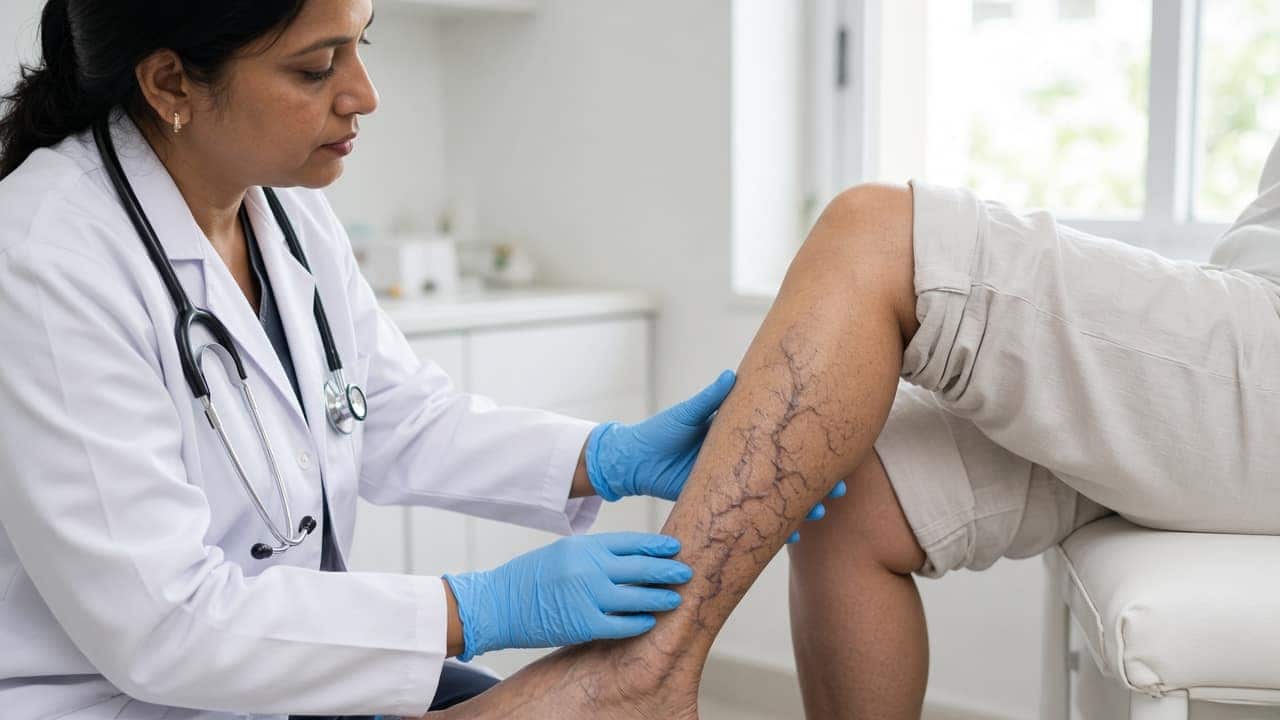
Deep vein thrombosis, or DVT, is a blood clot in a deep vein, most often in the thigh or calf. The clot can damage vein valves and, in some cases, travel to the lungs as a pulmonary embolism.
A new suspected clot is time-sensitive. The evening vascular clinic at Jade Clinics, Kokapet, is not the right place for severe symptoms. Emergency services in Hyderabad should be used when embolism is possible. A vascular consultation with Dr. K. Athirath Reddy is appropriate for confirmed clots that need specialist follow-up, and for long-term vein problems after thrombosis.
Most deep vein thromboses are treated with anticoagulation, not with an operation. Clot-removal procedures are for selected limb-threatening or extensive cases, and they are arranged in hospital after the diagnosis is known.
What We Offer

Deep Vein Thrombosis Evaluation
Deep vein thrombosis is a clot in a deep vein, usually in the leg. New one-sided swelling and pain need same-day assessment, not a routine evening appointment. Chest pain, breathlessness, or fainting with those symptoms is an emergency. Evaluation uses the clinical picture and, when appropriate, duplex ultrasound. A clinic visit is for follow-up after a clot has already been diagnosed and treatment started.

Venous Thrombosis Management
Most deep vein thromboses are treated with anticoagulation, prescribed by the doctor who makes the diagnosis. The medicine reduces the chance of the clot extending or travelling. It does not instantly dissolve every clot. The duration is an individual medical decision and should not be stopped because a clinic date is pending. Later review looks at swelling, skin change, and whether further vein imaging is useful.

Leg Swelling & Pain Assessment
Leg swelling and pain after a clot, or without a known clot, need a cause rather than a compression stocking chosen at random. The assessment looks for a new thrombosis, for residual vein obstruction, and for other causes such as joint or skin disease. Sudden new swelling is urgent. Long-standing swelling after a treated clot can be reviewed in clinic. Bring the ultrasound report and the names of blood thinners.

Venous Doppler Evaluation
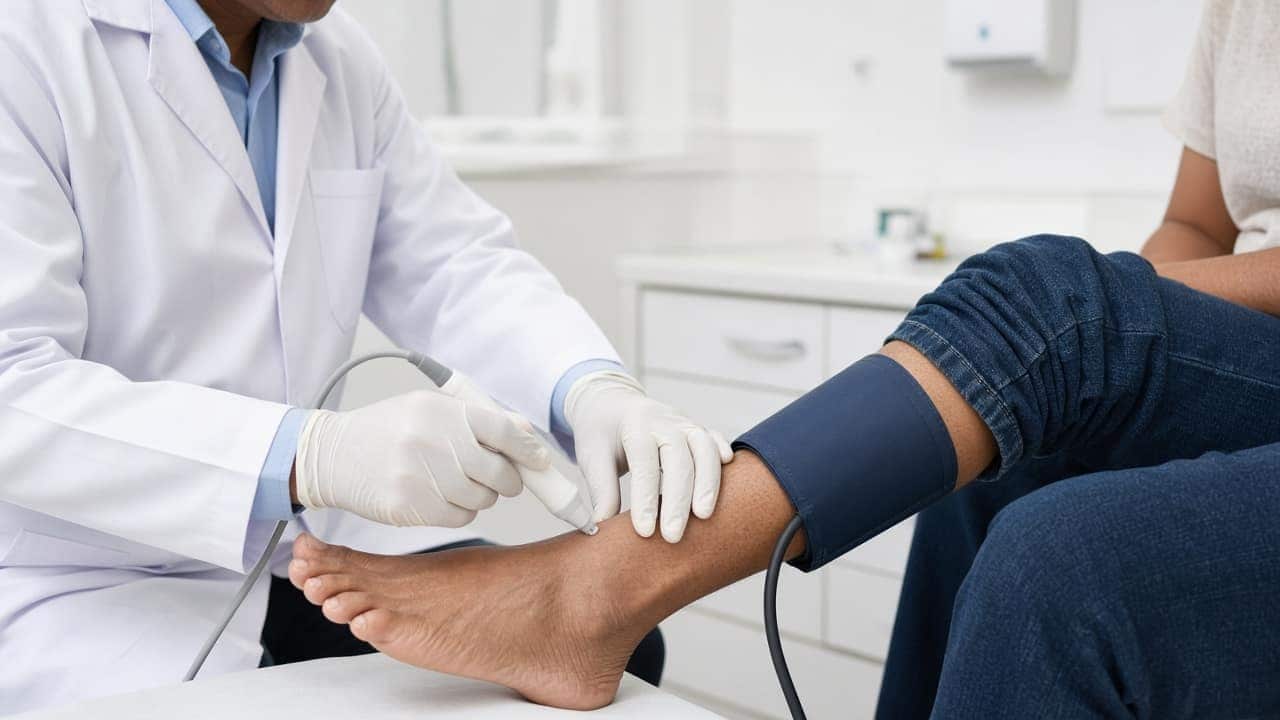
Venous Doppler, or duplex ultrasound, shows whether the deep veins are open and whether valves are leaking. It is the usual imaging test when a clot or chronic venous disease is the question. It is interpreted with the symptoms, not as a standalone label. A normal scan does not explain every swollen leg, and an abnormal scan does not always mean a procedure. The consultation explains what the report changes in the plan.

Mechanical Thrombectomy for DVT
Mechanical thrombectomy removes clot with a catheter device in selected, extensive, or limb-threatening deep vein thrombosis. It is a hospital procedure, not a treatment for ordinary clots and not something arranged through a routine clinic slot for an unassessed swollen leg. Most people are treated with anticoagulation alone. Whether thrombectomy is relevant depends on how extensive the clot is, how long it has been present, and the bleeding risk. A new suspected clot still needs urgent assessment first.

Surgical intervention for DVT
Open surgical removal of a deep vein clot is uncommon and is reserved for selected situations in hospital, usually when the limb is threatened and other options are not suitable. It is not the standard treatment of deep vein thrombosis. Anticoagulation remains the treatment for most people. The consultation can explain why surgery is or is not being considered after the diagnosis and the scan are known. It is not a substitute for same-day care of a new clot.

Follow-Up Care for Venous Disorders
Follow-up after a clot or a vein procedure checks swelling, skin, medicines, and whether activity and compression are realistic. Some people develop ongoing heaviness or skin change, called post-thrombotic change, and that can be assessed in clinic. Stopping a blood thinner is a medical decision made with the prescribing doctor. New chest pain or sudden breathlessness is an emergency. Bring the latest ultrasound and the current medicine list.
01
Common symptoms and warning signs
- Sudden swelling of one leg
- Calf or thigh pain and tenderness
- Warmth or reddish-blue colour
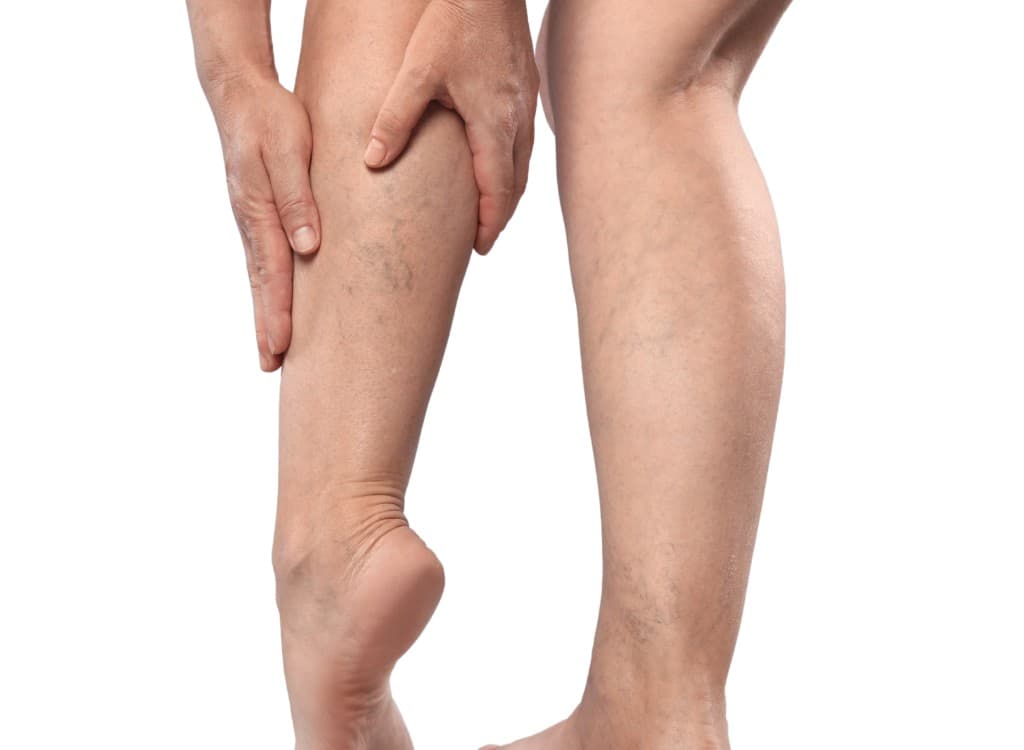
- Veins that have become newly prominent
- Chest pain, coughing blood, fainting, or sudden breathlessness, which may mean a clot has reached the lung
02
When to seek medical assessment
New one-sided leg swelling should be assessed urgently, the same day. Chest pain, breathlessness, fainting, or coughing blood is an emergency. Call emergency services or go to the nearest emergency department.
After a clot has been diagnosed and treatment started, a vascular review can help with compression, activity, and later vein symptoms.
03
Diagnostic and treatment approaches
Diagnosis of a new clot is usually made with duplex ultrasound, interpreted with the clinical probability and, sometimes, a blood test called D-dimer. Treatment is commonly anticoagulation, prescribed by the assessing doctor. Procedures to remove a large clot are considered only in selected limb-threatening or extensive cases, usually in hospital.
04
What to expect at consultation
If you have already been diagnosed, bring the ultrasound report and the names of blood-thinning medicines. The visit reviews swelling, skin changes, and whether further vein imaging is useful. Stopping a blood thinner is a medical decision and should not be done because an appointment is pending.
05
What is deep vein thrombosis?
Deep vein thrombosis is a clot in a deep vein, usually in the calf, thigh, or pelvis. The leg may swell, ache, and feel warm. Surface veins can become newly prominent. Some clots cause few symptoms and are found on a scan done for another reason. The serious early risk is pulmonary embolism, when part of the clot travels to the lung and causes chest pain, breathlessness, coughing blood, or collapse.
Diagnosis of a new clot uses the clinical picture and, when appropriate, duplex ultrasound. A blood test called D-dimer is sometimes used by the assessing doctor to decide whether a scan is needed. It is not a test to interpret at home. A normal or abnormal result still has to be read with the symptoms. The Kokapet clinic does not replace same-day emergency assessment of a new swollen leg.
After a clot, valves can leak and the vein can stay partly blocked. Months later the leg may still swell, ache, or develop skin staining. That later picture is called post-thrombotic change. It is a reason for a planned vascular review once anticoagulation has been started. It is not a reason to delay the first diagnosis.
06
What does vascular follow-up after a clot involve?
Follow-up checks swelling, skin, activity, and whether compression is realistic. The ultrasound report and the names of blood-thinning medicines are reviewed. The duration of anticoagulation is decided by the doctor who prescribed it, using the reason the clot formed and the bleeding risk. A clinic date is not a signal to stop the medicine.
Procedures to remove a large clot, including catheter-based thrombectomy, are considered only in selected extensive or limb-threatening cases, usually in hospital. Open surgical removal is uncommon. Most people never need either. Dr. Athirath Reddy can explain, after the diagnosis and the scan are known, why a procedure is or is not relevant. New chest pain or sudden breathlessness remains an emergency even if a follow-up visit is already booked.
Later symptoms that justify a planned visit include a leg that stays swollen after the acute clot, skin that is darkening, or heaviness that limits the day. Compression may help once a new clot has been excluded and arterial flow is adequate. It is fitted to the leg. It is not borrowed from another person. Activity is usually encouraged once the assessing doctor has started treatment, rather than prolonged bed rest, but that advice belongs to the team that made the diagnosis. The Kokapet review does not restart treatment that was never begun. Bring the date the clot was diagnosed and the name of the medicine you are still taking.
Questions patients ask
Can I wait for a clinic slot if I think I have a DVT?
No if the swelling is new, or if you have chest pain or breathlessness. Those symptoms need urgent or emergency assessment the same day. A routine appointment is for follow-up after diagnosis, not for unassessed severe symptoms.
Do all clots need a procedure to remove them?
No. Most deep vein thromboses are treated with anticoagulation and follow-up. Clot-removal procedures are for selected situations in hospital.
What symptoms suggest a clot has reached the lung?
Chest pain, sudden breathlessness, fainting, or coughing blood can mean pulmonary embolism. Call emergency services or go to the nearest emergency department. Do not travel to a routine evening clinic for those symptoms.
Should I stop my blood thinner before the vascular visit?
No. Stopping a blood thinner is a medical decision made with the prescribing doctor. Do not stop it because an appointment is pending or because a procedure might be discussed later.
Where is DVT follow-up available in Hyderabad?
After a clot has been diagnosed and treatment started, Dr. K. Athirath Reddy can review vein symptoms at Jade Clinics, Kokapet, Monday to Saturday, 5:00 PM–8:00 PM. Call +91 99088 77878. A new suspected clot still needs same-day urgent care.
This page is general education about vascular conditions and the way they are usually assessed. It does not diagnose a person or replace a consultation. Decisions about tests and treatment depend on an individual clinical assessment. Nothing on this website promises a particular result, a cure, or freedom from pain.