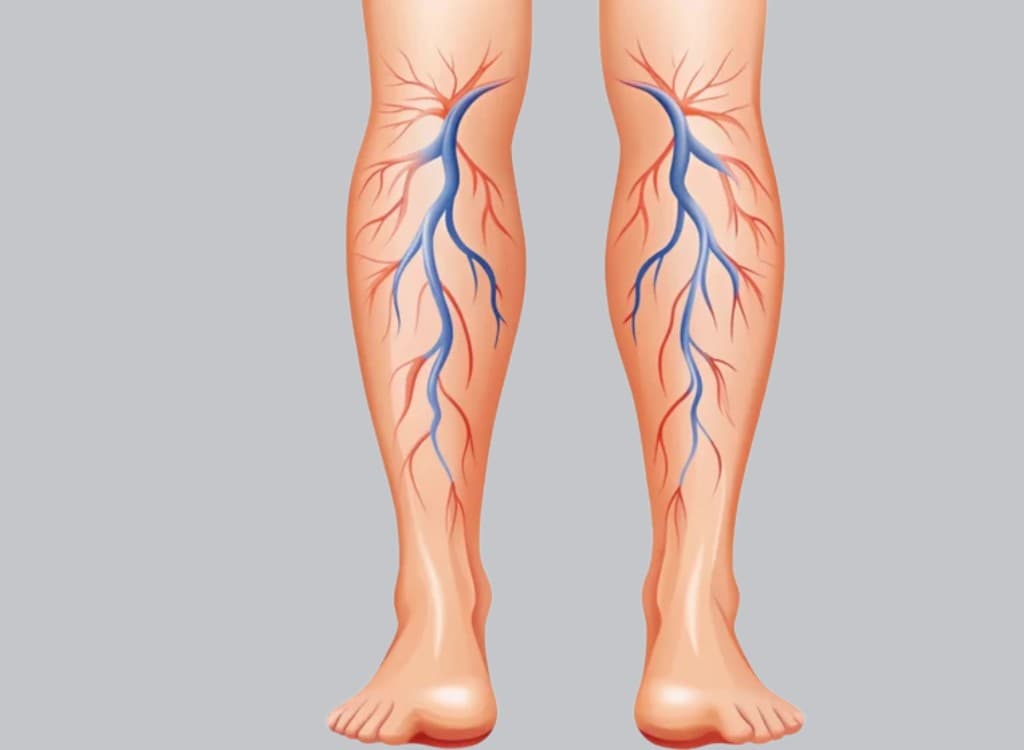
Vascular trauma is an injury to an artery or vein from a fracture, a penetrating wound, a crush, or a medical procedure. Acute limb ischaemia can also occur without an obvious injury, when a clot suddenly blocks an artery.
These problems are hospital emergencies. Jade Clinics, Kokapet, holds consultations with Dr. K. Athirath Reddy on Monday to Saturday evenings and is not an emergency department. Use this page to recognise danger symptoms, then go to emergency care in Hyderabad.
After the emergency has been treated, a planned clinic visit can review a stable repair, the pulses, and the wound. That follow-up is not a substitute for the first admission.
What We Offer

Vascular Injury Assessment
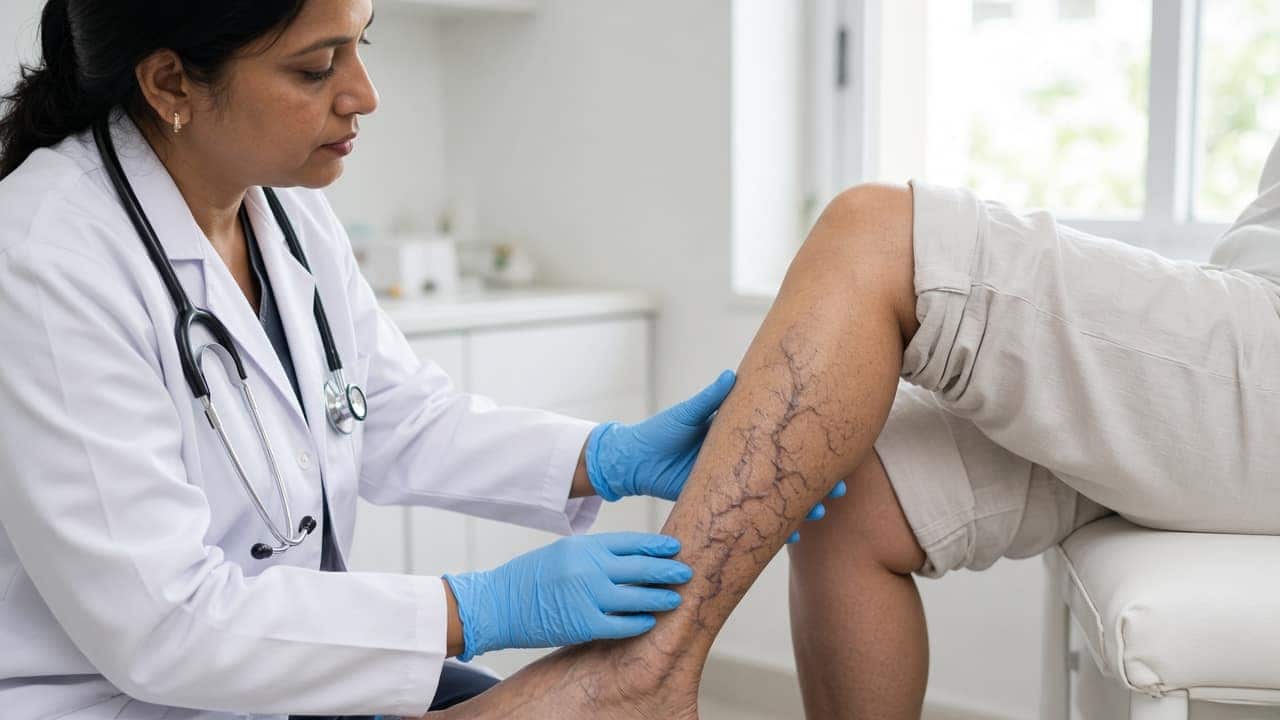
Vascular injury assessment asks whether an artery or vein has been torn, compressed, or blocked. Hard signs include heavy bleeding, a rapidly expanding swelling, or a limb that is cold and pulseless. Those findings belong in an emergency department immediately. A clinic visit cannot replace that first assessment. After the emergency has been controlled, a planned review can check pulses, wounds, and the repair.

Emergency Vascular Evaluation
Emergency vascular evaluation happens in hospital, where resuscitation, bleeding control, and urgent imaging can be done together. The evening clinic at Kokapet is for non-emergency consultations and for follow-up. A suddenly cold, pale, or severely painful limb, or bleeding that will not stop, should be taken to emergency services. Time without blood flow risks permanent muscle and nerve injury. Do not wait overnight for a clinic appointment.

Management of Acute Limb Ischemia
Acute limb ischaemia is a sudden loss of blood flow to an arm or leg, often from a clot or an embolus. It is treated in hospital, sometimes with clot-dissolving medicine, clot removal, or bypass, depending on how long the limb has been short of blood. It is not managed in a routine clinic slot. If the limb is cold, pale, painful, or numb, go to the emergency department now. Clinic care is for follow-up once the emergency team has treated it.

Traumatic Blood Vessel Injury Management
Traumatic vessel injury from a wound, fracture, or crush is managed in hospital. Treatment can include direct repair, a graft, or bleeding control, in an order decided by the emergency team. The clinic does not provide that initial operation. After discharge, a vascular review can check the repair, the wound, and the pulses. Bring the discharge summary and the names of blood-thinning medicines to that follow-up.

Post-Treatment Vascular Follow-Up
Follow-up after vascular trauma is for wounds that are already stable, pulse checks, and review of imaging or an operation note. It looks for narrowing, swelling, or a wound that is not settling. New bleeding, a cold limb, or sudden swelling should go back to emergency care. The visit also reviews activity limits and medicines. It is not a substitute for the original emergency admission.
01
Common symptoms and warning signs
- Heavy bleeding or a wound that is spurting blood
- An expanding swelling under the skin after injury
- A limb that is suddenly painful, pale, cold, or pulseless
- Numbness, weakness, or inability to move the foot or hand
- A wound close to a major artery, even if bleeding seems to have stopped
02
When to seek medical assessment
Press firmly on heavy bleeding, if it is safe to do so, and call emergency services. A suddenly cold or pale limb should not be observed overnight. Time without blood flow risks permanent muscle and nerve injury.
After emergency treatment, a planned vascular review may be needed for follow-up of a repair. That follow-up can be requested through the clinic.
03
Diagnostic and treatment approaches
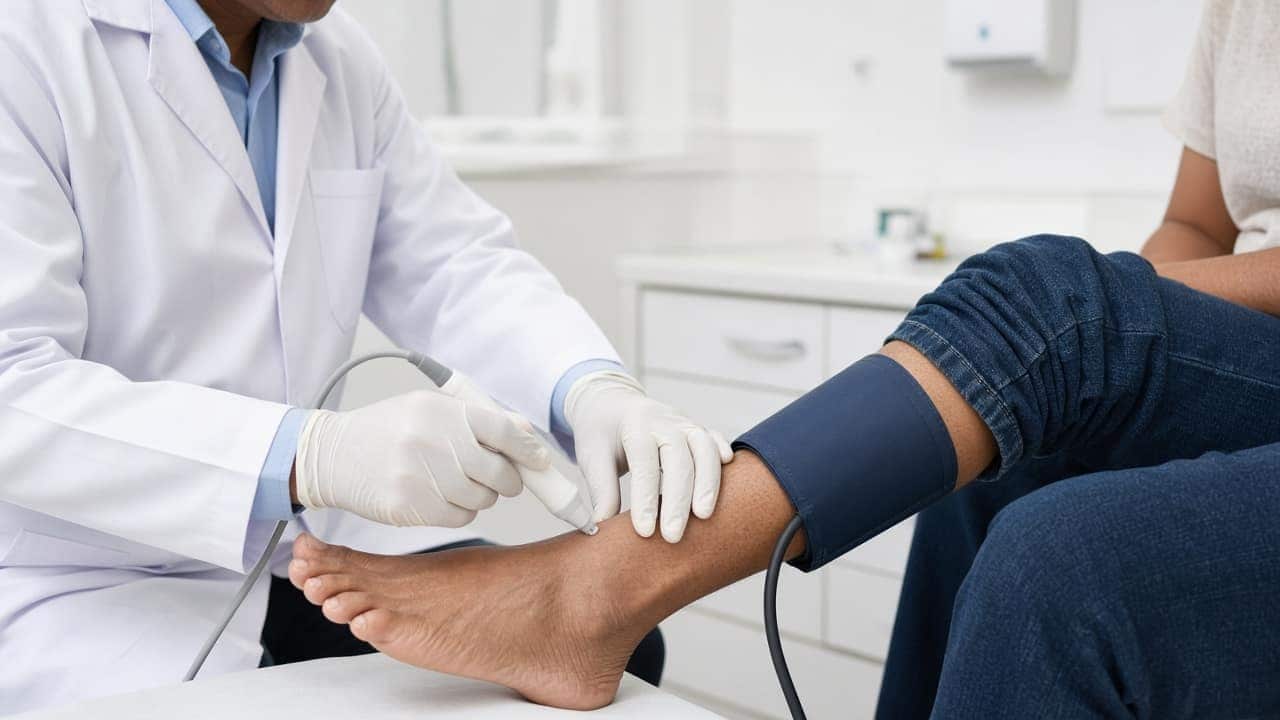
In hospital, assessment may include examination, handheld Doppler, and urgent imaging if the limb allows the time. Treatment can include resuscitation, bleeding control, clot removal, vascular repair, or bypass. The sequence is decided by the emergency team.
04
What to expect at a follow-up consultation
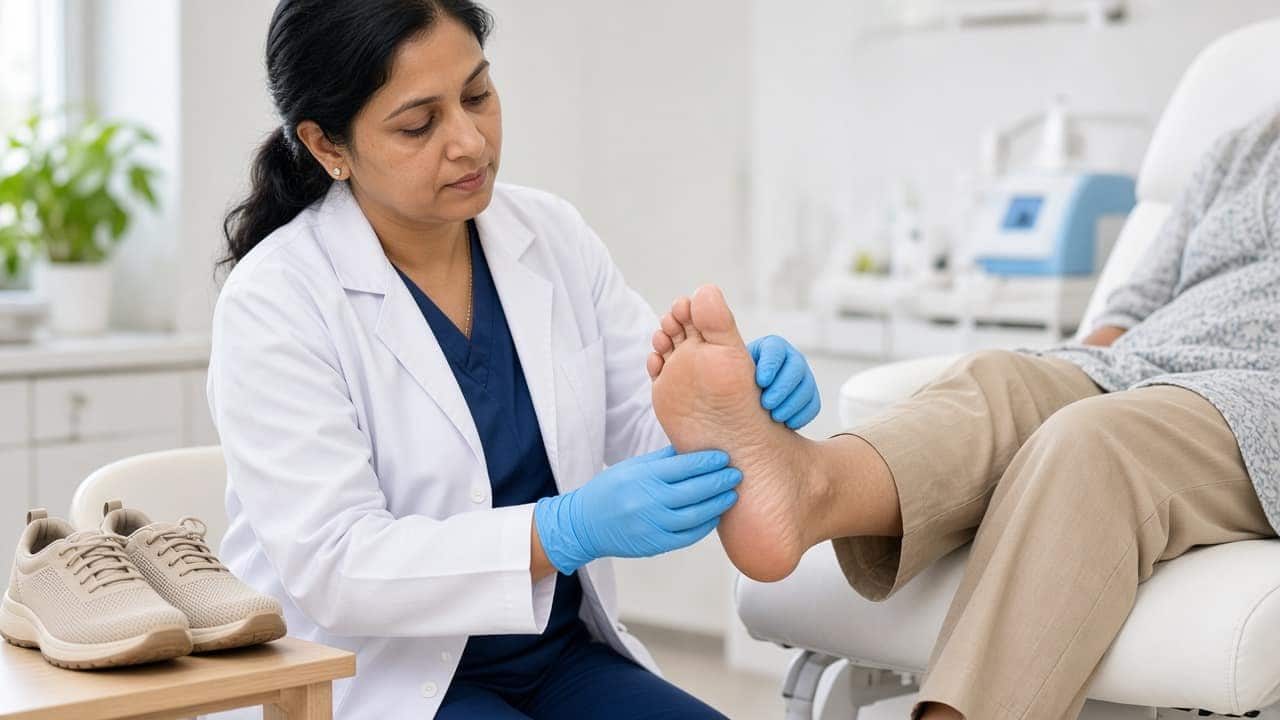
A clinic visit after trauma is for wounds that are already stable, pulse checks, and review of imaging or an operation note. It is not a substitute for the initial emergency admission. Bring discharge summaries and the names of blood-thinning medicines.
05
Which vascular problems are emergencies?
Heavy bleeding, a wound that is spurting blood, and a swelling that is expanding under the skin after injury are emergencies. So is a limb that becomes suddenly painful, pale, cold, or pulseless, even when there is no obvious wound. Numbness, weakness, or an inability to move the foot or hand means the nerves and muscle are already short of blood. Time without flow risks permanent injury. Press firmly on heavy bleeding if it is safe to do so, and call emergency services.
Acute limb ischaemia is a sudden loss of arterial flow, often from a clot or an embolus. Doctors sometimes describe the limb with pain, pallor, pulselessness, coldness, numbness, and paralysis. Not every sign has to be present before you go to hospital. A deep wound close to a major artery, including the groin, the neck, or the wrist, should be treated as urgent until it has been examined, even if bleeding seems to have stopped.
The evening clinic cannot resuscitate, image, or operate on these problems. Do not wait overnight for a Kokapet appointment. Emergency departments in Hyderabad are the correct first destination. Vascular follow-up is requested after discharge, when the limb and the repair are stable.
Injury mechanisms that deserve urgent hospital assessment include a fracture or dislocation near a major artery, a penetrating wound of the neck, groin, or limb, a crush, and bleeding that started during or after a medical procedure. A pulse that was present and then disappeared is more informative than a wound that looks small. Tourniquets and firm pressure are first aid, not treatment of the vessel. Do not remove a pressure dressing that is controlling bleeding in order to look at the wound on the way to hospital.
06
What happens at follow-up after vascular injury?
Follow-up checks the wound, the pulses beyond the repair, and any swelling that might mean a narrowing or a leaking repair. Bring the discharge summary, the operation note if you have it, and the names of blood-thinning medicines. Ultrasound is used when the result of the repair needs to be seen rather than assumed. Activity limits are reviewed against what the emergency team advised.
New bleeding, a cold limb, or sudden swelling should go back to emergency care. They should not be saved for the next booked review. Dr. Athirath Reddy sees this follow-up at Jade Clinics, Kokapet, Monday to Saturday, 5:00 PM–8:00 PM. Call +91 99088 77878 only for a stable, non-emergency review. He is also a consultant vascular and endovascular surgeon at Malla Reddy Narayana Multispeciality Hospital, where hospital vascular care is based.
The follow-up conversation also covers what the repair was made from, whether a graft or a stent was used, and which medicines should continue. A person who was told to take a blood thinner in hospital should not stop it because the wound looks dry. Wound infection, a pulse that becomes harder to feel, or swelling at the repair site is reported early. Photographs of a stable wound can support the record. They do not replace feeling the pulse. If you are unsure whether a new symptom is an emergency, treat a cold limb or fresh bleeding as an emergency.
People sometimes arrive at Kokapet hoping for a same-evening operation after an injury earlier that day. The evening clinic is a consulting practice, not an emergency department, and urgent vessel repair is a hospital treatment. If you have already been discharged and the limb is warm with a felt pulse, a booked review is appropriate. If you have not been assessed at all, go to hospital first. Bring the papers from that visit so the follow-up does not start from a blank history.
Questions patients ask
Can I book the evening clinic for a suddenly cold leg?
No. A suddenly cold, pale, or severely painful limb needs emergency department care immediately. The clinic appointment pathway is for non-emergency consultations and for follow-up.
Is every cut near the wrist or groin serious?
Not every cut injures a major vessel, but deep wounds, pulsatile bleeding, a growing swelling, or a weak pulse beyond the injury should be treated as urgent until a doctor has examined them.
What are the warning signs of acute limb ischaemia?
Sudden pain, a pale or blue limb, a missing pulse, coldness, numbness, and weakness or paralysis. You do not need every sign. A suddenly cold, painful limb should go to an emergency department now.
Can vascular trauma be treated at Jade Clinics, Kokapet?
No. The clinic is not an emergency department. Active bleeding and a pulseless limb are treated in hospital. The clinic is for follow-up once that emergency care is complete and the wound is stable.
What should I bring to a follow-up after vessel repair?
Bring the discharge summary, any operation note, imaging reports, and the names of blood-thinning medicines. The visit compares the pulses and the wound with what was done in hospital.
This page is general education about vascular conditions and the way they are usually assessed. It does not diagnose a person or replace a consultation. Decisions about tests and treatment depend on an individual clinical assessment. Nothing on this website promises a particular result, a cure, or freedom from pain.